The charm of rustic farmhouse design has captured hearts worldwide, but today’s environmentally conscious homeowners are seeking ways to embrace this beloved aesthetic while minimizing their environmental footprint. Eco-friendly Rustic Farmhouse Design represents the perfect marriage between timeless rural charm and modern sustainability practices, creating spaces that are both beautiful and responsible.
Sustainable Rustic Farmhouse Design goes beyond simply choosing natural materials—it encompasses a holistic approach to design that considers the entire lifecycle of every element in your home. From reclaimed barn wood that tells stories of generations past to energy-efficient lighting that reduces your carbon footprint, every choice contributes to a more sustainable future while maintaining the authentic, lived-in feel that makes farmhouse style so appealing.
The beauty of green Rustic Farmhouse Design lies in its inherent connection to nature and resourcefulness. Traditional farmhouses were built with sustainability in mind out of necessity—materials were sourced locally, waste was minimized, and functionality was paramount. Today’s eco-conscious homeowners can draw inspiration from these time-tested principles while incorporating modern innovations that enhance both comfort and environmental responsibility.
This comprehensive guide explores twelve transformative design hacks that will help you create an environmentally friendly farmhouse that doesn’t compromise on style or authenticity. Whether you’re renovating an existing space or starting from scratch, these strategies will help you build a home that honors both tradition and our planet’s future.
1. Embrace Reclaimed Wood for Authentic Character
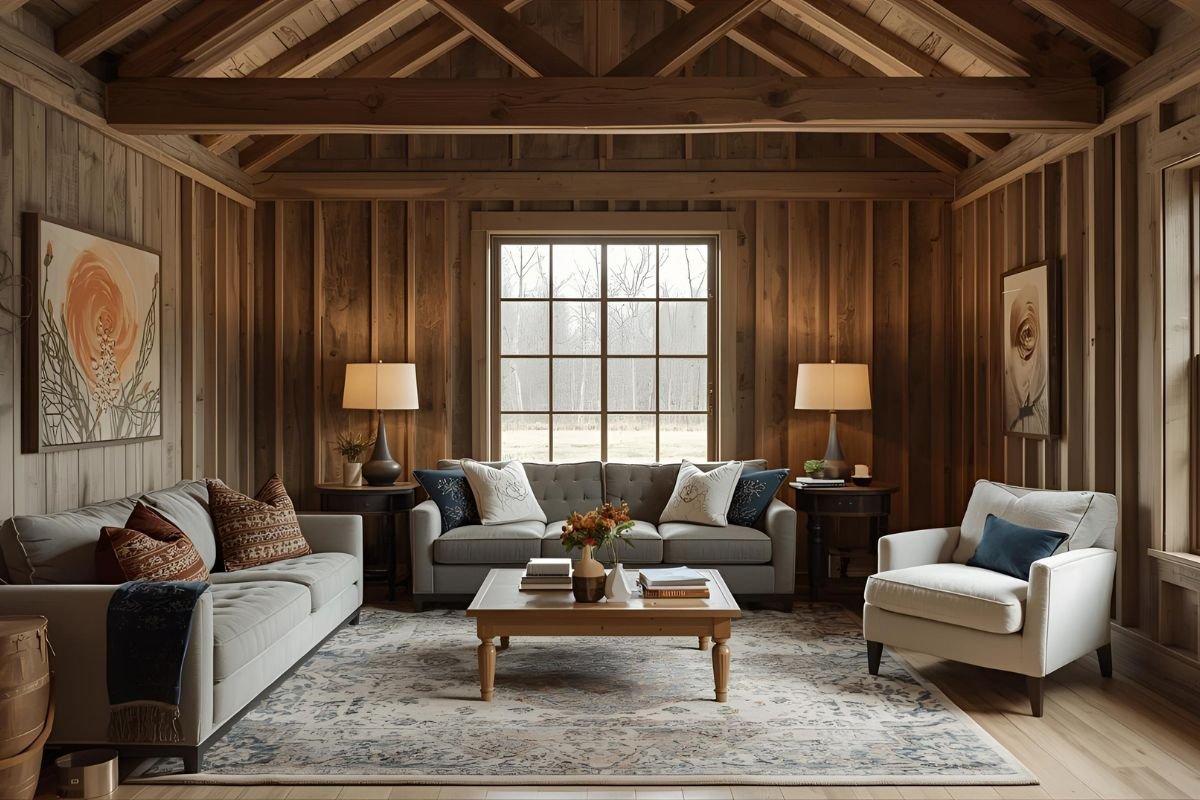
Reclaimed wood farmhouse elements serve as the cornerstone of sustainable rustic design. Salvaged barn wood, old fence posts, and vintage flooring not only prevent valuable materials from ending up in landfills but also bring unmatched character to your space. Each piece carries its own history, complete with natural weathering, nail holes, and patina that cannot be replicated.
When sourcing reclaimed materials, look for local demolition companies, architectural salvage yards, and specialized dealers who can verify the wood’s origin and treatment history. Popular options include chestnut beams from old barns, heart pine flooring from demolished mills, and cedar siding from vintage homes. These materials often feature superior craftsmanship and wood quality compared to modern alternatives.
The environmental benefits of choosing reclaimed wood are substantial. You’re preventing deforestation, reducing manufacturing energy consumption, and decreasing transportation emissions when sourcing locally. Additionally, older wood is typically more stable and less prone to shrinking or warping, making it an excellent long-term investment for your sustainable home design.
2. Incorporate Natural Stone and Earth-Based Materials
Natural stone elements bring timeless beauty and durability to eco-friendly farmhouse interiors. Local fieldstone, river rock, and quarried stone reduce transportation costs while supporting regional economies. These materials excel in both interior and exterior applications, from kitchen backsplashes to fireplace surrounds.
Clay and earth-based materials offer excellent thermal properties and natural air purification benefits. Consider adobe walls, clay plaster finishes, or earthen floors in areas where their unique properties can be showcased. These materials regulate humidity naturally and create healthy indoor environments while maintaining the authentic farmhouse aesthetic.
Stone and earth materials require minimal processing, reducing their environmental impact significantly compared to manufactured alternatives. They also offer superior longevity, often lasting centuries with proper installation and minimal maintenance.
3. Install Energy-Efficient Vintage-Style Lighting
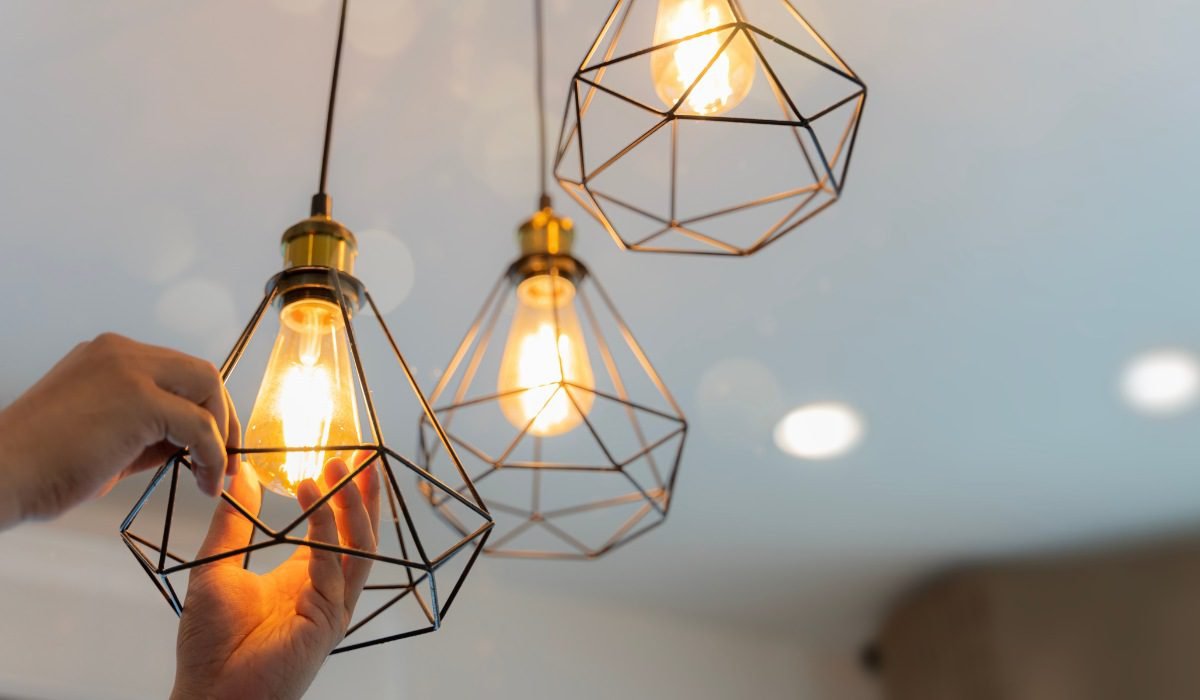
Sustainable lighting solutions don’t require sacrificing the warm, inviting ambiance that defines farmhouse style. LED bulbs designed to mimic Edison bulbs provide the same warm glow while consuming up to 80% less energy than traditional incandescent options. Vintage-inspired fixtures crafted from recycled materials combine style with environmental responsibility.
Mason jar pendant lights, repurposed wagon wheel chandeliers, and barn-style sconces can all be updated with energy-efficient components. Solar-powered outdoor lighting extends farmhouse charm to porches, pathways, and garden areas without increasing your electricity consumption.
Consider installing dimmer switches and timers to maximize energy savings while maintaining the flexibility to create different moods throughout your home. Smart lighting systems can be programmed to adjust automatically based on natural light levels and occupancy patterns.
4. Choose Low-VOC Paints and Natural Finishes
Eco-friendly paint options are essential for maintaining healthy indoor air quality while achieving the soft, muted color palette characteristic of rustic farmhouse style. Low-VOC and zero-VOC paints eliminate harmful chemicals that can off-gas for months after application, creating safer environments for your family.
Natural paint alternatives include milk paint, clay-based paints, and linseed oil finishes. These options provide authentic textures and colors while being completely biodegradable. Milk paint, in particular, creates the perfect aged, chalky finish that complements vintage farmhouse decor beautifully.
For wood finishes, consider natural wood stains made from plant-based ingredients, beeswax, and organic oils. These finishes penetrate deeply into the wood while allowing it to breathe naturally, preventing moisture problems that can lead to mold and rot.
5. Maximize Natural Light with Strategic Window Placement
Energy-efficient windows significantly reduce heating and cooling costs while flooding your farmhouse interior with natural light. Double or triple-pane windows with low-E coatings provide excellent insulation while maintaining the traditional aesthetic of farmhouse window styles.
Strategic window placement takes advantage of seasonal sun patterns to provide natural heating in winter and minimize heat gain in summer. South-facing windows capture maximum winter sun, while strategically placed overhangs provide summer shade. East and west windows should be minimized or properly shaded to prevent overheating.
Natural light optimization reduces dependence on artificial lighting during daylight hours, significantly lowering energy consumption. Skylights and solar tubes can bring light into interior spaces without compromising structural integrity or farmhouse character.
6. Create Living Walls and Indoor Gardens
Indoor plant displays serve multiple functions in sustainable Rustic Farmhouse Design. They improve air quality, add natural color and texture, and create connections to the agricultural heritage that inspired farmhouse style. Herb gardens, vegetable planters, and flowering displays can be integrated seamlessly into farmhouse kitchens and living areas.
Living walls and vertical gardens maximize growing space while creating stunning focal points. Reclaimed materials like old pallets, vintage crates, and antique containers make perfect planters that align with farmhouse aesthetics while promoting sustainability.
Consider native plants and heirloom varieties that require minimal water and no chemical treatments. These plants often have historical significance and contribute to preserving biodiversity while maintaining authentic farmhouse character.
7. Rustic Farmhouse Design: Implement Water Conservation Systems
Water-saving farmhouse features can be both functional and beautiful. Rain barrels disguised as vintage-style planters collect water for garden irrigation while reducing municipal water consumption. Greywater systems can redirect washing machine and sink water to landscape irrigation with proper filtration.
Low-flow fixtures designed in farmhouse styles maintain authentic aesthetics while reducing water consumption. Vintage-inspired faucets, showerheads, and toilets are available in water-efficient models that meet modern conservation standards.
Drought-resistant landscaping using native plants reduces irrigation needs while creating beautiful outdoor spaces that complement your eco-friendly farmhouse exterior.
8. Install Sustainable Flooring Options
Sustainable flooring choices for farmhouse homes include bamboo, cork, and certified hardwood options. Bamboo grows incredibly quickly and can be harvested without killing the plant, making it one of the most renewable flooring materials available. Cork provides natural antimicrobial properties and excellent insulation while creating unique textures.
Reclaimed hardwood flooring offers unmatched character and sustainability. Wide-plank flooring salvaged from old buildings provides authentic farmhouse appeal while preventing valuable materials from being wasted. These floors often feature superior wood grain and stability compared to new alternatives.
Alternative options include natural linoleum made from linseed oil, cork dust, and wood flour. Unlike vinyl, natural linoleum is completely biodegradable and improves with age, developing a beautiful patina over time.
9. Design Energy-Efficient Kitchen Solutions
Sustainable farmhouse kitchens combine timeless style with modern efficiency. Energy Star appliances designed with farmhouse aesthetics provide excellent performance while minimizing energy consumption. Look for refrigerators with vintage-inspired handles, ranges with classic styling, and dishwashers with panel-ready fronts.
Eco-friendly kitchen materials include recycled glass countertops, reclaimed wood islands, and salvaged copper sinks. These materials provide authentic farmhouse character while supporting environmental sustainability. Copper naturally inhibits bacterial growth, making it an excellent choice for farmhouse sinks.
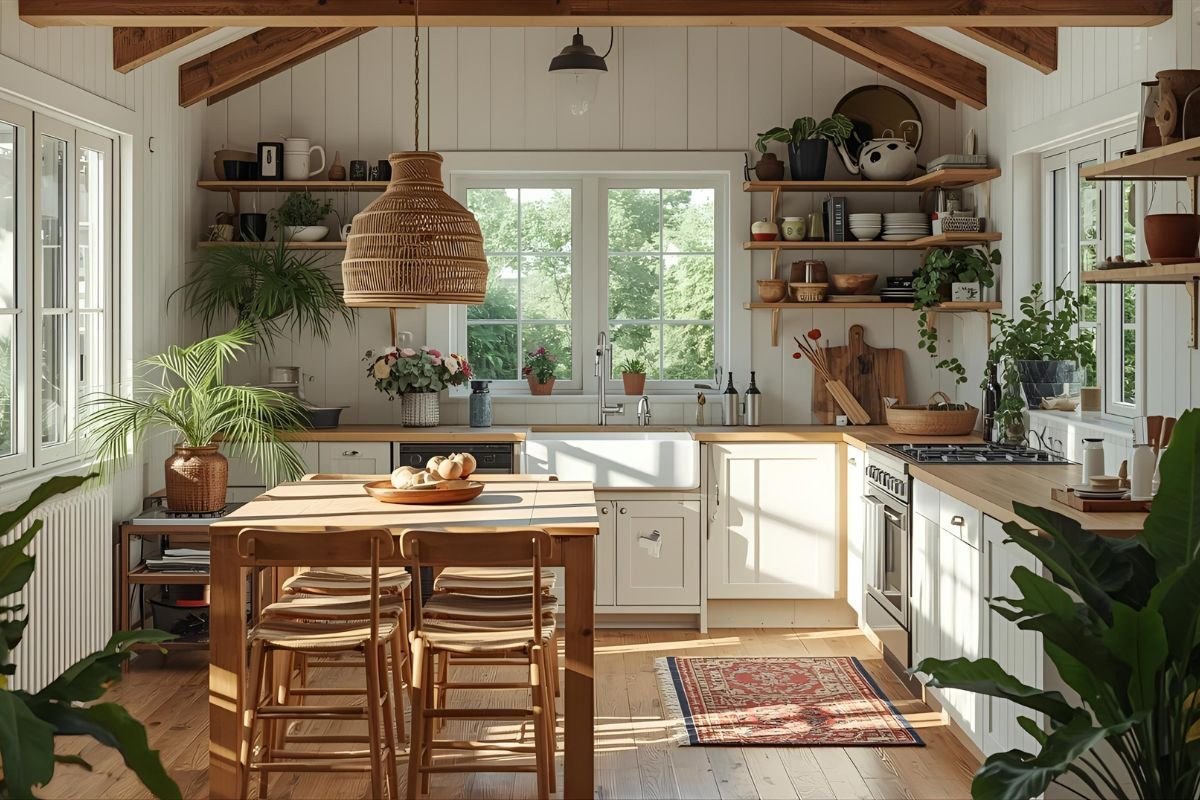
Open shelving using reclaimed wood reduces the need for manufactured cabinets while displaying beautiful dishware and preserving jars. This storage solution embodies farmhouse practicality while minimizing material consumption.
10. Build with Sustainable Insulation Materials
Green building materials for insulation include sheep’s wool, recycled denim, and cellulose made from recycled paper. These materials provide excellent thermal performance while avoiding the chemicals and environmental concerns associated with traditional fiberglass insulation.
Sheep’s wool insulation naturally regulates humidity and provides fire resistance while being completely renewable. Recycled denim insulation offers excellent soundproofing properties and contains no harmful chemicals, making it safe for DIY installation.
Proper insulation dramatically reduces heating and cooling costs, making your energy-efficient farmhouse comfortable year-round while minimizing environmental impact.
11. Incorporate Renewable Energy Elements
Solar panels designed to blend with farmhouse rooflines maintain aesthetic integrity while providing clean energy. Modern solar shingles can replace traditional roofing materials while generating electricity, creating seamless integration with rustic home design.
Small wind turbines designed with farmhouse aesthetics can supplement solar energy in windy areas. Vintage-style windmills can be updated with modern generating equipment to provide both functionality and authentic farmhouse character.
Geothermal heating and cooling systems work excellently with Rustic Farmhouse Design, providing efficient climate control without visible equipment that might compromise the home’s aesthetic appeal.
12. Create Outdoor Spaces Using Sustainable Practices
Eco-friendly outdoor living extends farmhouse charm beyond interior walls. Reclaimed materials create beautiful patios, walkways, and garden structures that complement the home’s sustainable design philosophy. Old bricks, salvaged stone, and vintage lumber provide authentic materials for outdoor construction.
Permaculture landscaping principles create productive, beautiful outdoor spaces that require minimal inputs while providing food, beauty, and wildlife habitat. Fruit trees, berry bushes, and herb gardens align perfectly with farmhouse traditions while supporting sustainability goals.
Rainwater collection systems, composting areas, and native plant gardens complete the sustainable farmhouse landscape while providing practical benefits for environmentally conscious homeowners.
Conclusion
Creating an eco-friendly rustic farmhouse represents more than a design choice—it’s a commitment to sustainable living that honors both environmental responsibility and timeless aesthetic appeal. These twelve design hacks demonstrate that sustainability and style are not mutually exclusive but rather complementary aspects of thoughtful home design.
The key to successful sustainable Rustic Farmhouse Design lies in making conscious choices about materials, energy systems, and water usage while maintaining the authentic character that makes farmhouse style so beloved. By embracing reclaimed materials, incorporating energy-efficient systems, and choosing natural finishes, you create a home that tells a story of environmental stewardship while providing comfort and beauty for generations to come.
Remember that green farmhouse design is an ongoing journey rather than a destination. Each sustainable choice you make contributes to a healthier home environment and a more sustainable future, while creating the authentic, welcoming atmosphere that defines the best of farmhouse living.
Frequently Asked Questions
Q1: How much more expensive is eco-friendly Rustic Farmhouse Design compared to traditional methods?
A: While initial costs may be 10-20% higher for some sustainable materials, the long-term savings through energy efficiency, durability, and reduced maintenance often result in lower overall costs. Reclaimed materials can actually be less expensive than new alternatives while providing superior character and quality.
Q2: Can I retrofit an existing home with these eco-friendly Rustic Farmhouse Design elements?
A: Absolutely! Most of these design hacks can be implemented during renovations or as individual projects over time. Start with high-impact changes like lighting upgrades, paint selection, and window treatments before moving to larger projects like flooring or renewable energy systems.
Q3: Are eco-friendly materials as durable as traditional building materials?
A: Many eco-friendly materials, especially reclaimed wood and natural stone, are actually more durable than modern alternatives. These materials have already proven their longevity and often feature superior craftsmanship from earlier eras.
Q4: How do I find reliable sources for reclaimed and sustainable materials?
A: Start with local architectural salvage yards, demolition companies, and specialized reclaimed material dealers. Online marketplaces, estate sales, and community networks are also excellent sources. Always verify the quality and origin of materials before purchasing.
Q5: What’s the best way to maintain the authentic farmhouse look while incorporating modern eco-friendly technology?
A: Focus on hiding modern technology when possible (built-in solar panels, concealed LED strips) and choosing eco-friendly options designed with traditional aesthetics in mind. Many manufacturers now offer sustainable products specifically styled for farmhouse and rustic applications.
Read More: Stunning Home Decor Trends 2025 Transform Your Home