
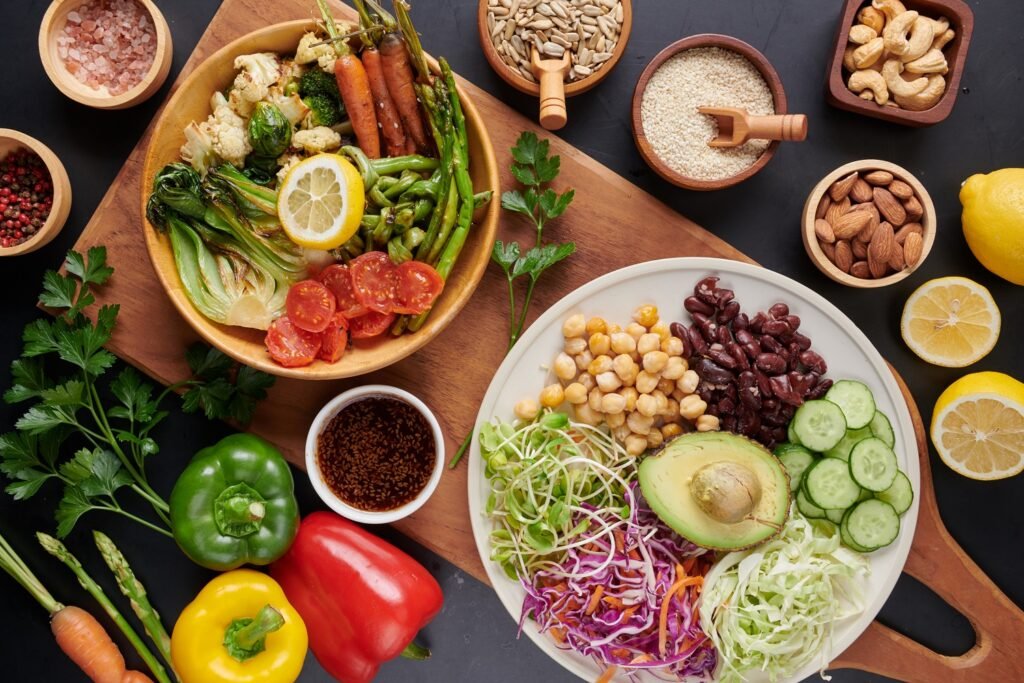
Yet somewhere along the journey toward better health, many people have come to believe that cardiovascular wellness requires abandoning these cherished flavors in favor of unfamiliar superfoods and expensive imported ingredients. This misconception has created an unnecessary barrier between cultural identity and physical well-being, leaving countless individuals feeling torn between honoring their heritage and protecting their hearts.
The truth is far more reassuring and profoundly simpler than the wellness industry would have us believe. Heart health doesn’t demand a complete dietary overhaul or the adoption of eating patterns that feel foreign to your palate and traditions. Instead, Food A Daily Wellness Guide: it invites a thoughtful reconsideration of how we prepare the foods we already know and love. The familiar Filipino recipes that have sustained generations—when cooked with intentional care and modest adjustments—can quietly become powerful allies in supporting cardiovascular health every single day.
This approach recognizes something that modern nutritional science increasingly validates: sustainable health changes emerge not from dramatic transformations but from consistent, culturally resonant choices. When you understand how to work with the ingredients already present in your kitchen, how to honor traditional cooking methods while making heart-conscious modifications, you create a pathway to wellness that feels natural rather than restrictive. The goal isn’t to erase Filipino cuisine from your table but to celebrate it in ways that nourish both your cultural connections and your physical vitality.
The Filipino Kitchen Already: Food A Daily Wellness Guide
Walking through any Filipino kitchen reveals an abundance of ingredients that nutrition experts consistently recommend for cardiovascular support. The vegetables that form the backbone of countless dishes—eggplant, bitter melon, kangkong, string beans, squash, and tomatoes—are naturally rich in fiber, potassium, and antioxidants that help regulate blood pressure and reduce inflammation throughout the body. These aren’t exotic additions requiring special trips to specialty stores; they’re the same vegetables your lola used, the ones you can find in any local market.
Fish has always occupied a central place in Filipino cooking, reflecting the archipelago’s geographic reality. Bangus, galunggong, tilapia, and various ocean fish provide omega-3 fatty acids that research has repeatedly linked to reduced risk of heart disease, lower triglyceride levels, and decreased inflammation. The traditional preference for fish over red meat in many regional cuisines wasn’t conceived as a health intervention, yet it aligns perfectly with what cardiologists now recommend for maintaining healthy arteries and optimal heart function.
Garlic and onions, those foundational aromatics that begin countless Filipino recipes, offer more than just flavor. Both contain compounds that may help lower cholesterol levels, reduce blood pressure, and prevent the formation of blood clots. Ginger, another staple in Filipino cooking, has anti-inflammatory properties that support overall circulatory health. Even the abundant use of citrus—calamansi squeezed over meals, the tamarind in sinigang, contributes vitamin C and flavonoids that protect blood vessels from oxidative damage.
The challenge has never been about having access to heart-healthy ingredients. Filipinos have always had them. The opportunity lies in recognizing their value and preparing them in ways that maximize their benefits while minimizing the additions that can undermine cardiovascular wellness.
Cooking Methods That Honor Tradition While Protecting Your Heart

The way we cook transforms ingredients just as profoundly as the ingredients we choose. Traditional Filipino cooking encompasses a diverse range of methods, from the slow simmering of adobo to the quick stir-frying of guisado dishes, from steaming to grilling. Each method affects how the final dish impacts your heart health, and understanding these effects empowers you to make choices that support your wellbeing without sacrificing the essence of what makes Filipino food special.
Embracing the Wisdom of Souring Agents
Filipino cuisine’s extensive use of souring agents—tamarind, calamansi, vinegar, kamias, green mango—represents an underappreciated heart-healthy cooking strategy. These ingredients create depth and complexity without requiring excessive salt or fat. Sinigang, when prepared with a generous amount of vegetables and lean protein, becomes a nutrient-dense meal that satisfies completely while keeping sodium levels reasonable. The sourness naturally enhances other flavors, meaning you can reduce salt without feeling deprived.
The acetic acid in vinegar, which gives adobo its characteristic tang, may help improve insulin sensitivity and support healthy blood sugar levels—factors closely connected to heart health. When you allow the vinegar and garlic to carry the flavor in your adobo rather than relying heavily on soy sauce, you’re making a choice that your cardiovascular system will appreciate over time.
The Power of Steaming and Boiling
Steaming remains one of the gentlest, most Heart-protective cooking methods available, and it’s already present in Filipino cuisine. Steamed fish with ginger, steamed vegetables, and even certain preparations of rice cakes—these methods preserve nutrients while adding no additional fats. When you steam bangus and serve it with a sauce made from calamansi, tomatoes, and onions, you create a meal that’s both authentically Filipino and remarkably supportive of cardiovascular health.
Boiling and simmering, the techniques behind tinola, nilaga, and various vegetable soups allow you to extract maximum flavor from ingredients without frying. These dishes can be adjusted to include more vegetables, less fatty meat, and reduced sodium while remaining deeply satisfying. The warm broth itself provides hydration and a feeling of fullness that can help with maintaining a healthy weight—another critical factor in heart health.
Rethinking Frying Without Eliminating Flavor
Deep-frying occupies a beloved place in Filipino cooking, from crispy pata to lumpia to turon. While frequent consumption of deep-fried foods can challenge cardiovascular health, the solution isn’t necessarily complete elimination but rather thoughtful moderation and technique adjustment. When you do fry, using healthier oils with higher smoke points and ensuring the oil is hot enough to create a crispy exterior without excessive absorption can make a difference.
Alternatively, learning to achieve similar textures through oven-roasting or air-frying opens new possibilities. You can still enjoy the crispiness you crave while significantly reducing the amount of oil your body processes. A fish that’s been marinated in Filipino flavors and then oven-roasted until the skin crisps develops a texture and taste that honors the original intent while being considerably gentler on your arteries.
Practical Adjustments That Transform Familiar Recipes
The distance between a recipe that undermines heart health and one that supports it can be surprisingly small. Often, minor adjustments in proportions, ingredient choices, or cooking techniques can shift a dish from problematic to beneficial without fundamentally altering its character or appeal.
Reducing Sodium While Maintaining Depth
Salt and soy sauce contribute essential flavors to Filipino cooking, but many traditional recipes call for amounts that exceed what cardiovascular health guidelines recommend. The key to reducing sodium without sacrificing satisfaction lies in building flavor through other means. Increasing aromatics—more garlic, more ginger, more onions—creates complexity. Using low-sodium soy sauce or coconut aminos as partial substitutes can cut sodium significantly while maintaining the umami depth that makes dishes satisfying.
In dishes like adobo, you can reduce the soy sauce by half and compensate by adding more vinegar, black pepper, bay leaves, and garlic. The result remains recognizably adobo while containing substantially less sodium. Over time, your palate adjusts to these lower-sodium versions, and you may find that dishes prepared with excessive salt actually taste unpleasantly harsh rather than pleasingly savory.
Choosing Proteins Wisely
Filipino cuisine traditionally includes a wide variety of proteins, not all of which affect heart health equally. Fatty cuts of pork, skin-on chicken, and processed meats like longanisa and tocino contain high levels of saturated fat and sodium that can raise cholesterol and blood pressure. However, Filipino recipes are remarkably adaptable to protein substitution.
That classic adobo works beautifully with chicken breast, pork tenderloin, or even tofu instead of fatty pork belly. Sinigang shines with fish or shrimp rather than beef ribs. When you do use meat with higher fat content, trimming visible fat and removing skin before cooking makes a measurable difference. You can still enjoy the occasional indulgence while making heart-conscious protein choices the majority of the time.
Increasing Vegetables in Every Meal
Traditional Filipino meals often feature vegetables prominently, but there’s always room to increase their proportion. Adding extra vegetables to dishes like sinigang, pinakbet, or chopsuey increases fiber, vitamins, and minerals while reducing the caloric density of the meal. This shift supports heart health not just through the nutritional benefits of vegetables themselves but also by helping maintain a healthy weight and promoting feelings of fullness that prevent overeating.
You might start by ensuring that vegetables occupy at least half of your plate at every meal. This simple visual guideline automatically reduces portions of higher-calorie, higher-sodium elements while increasing the components that actively support cardiovascular function. The vegetables themselves need not be exotic—the humble malunggay, kamote tops, and upo that grow abundantly in the Philippines are nutritional powerhouses.
The Cultural and Emotional Dimensions of Heart-Healthy Filipino Eating

Food carries meaning far beyond its nutritional composition. For Filipinos, meals represent family bonds, cultural continuity, celebration, comfort, and identity. Any approach to heart-healthy eating that ignores these dimensions is unlikely to succeed in the long term because it asks people to trade something deeply meaningful for abstract health benefits that may seem distant and theoretical.
The beauty of working within Filipino culinary traditions rather than against them is that it preserves the cultural and emotional nourishment that food provides while adding the dimension of physical nourishment. When you prepare sinigang with extra vegetables and less salt, you’re still creating the same comforting meal that connects you to memories and loved ones. When you grill fish marinated in Filipino spices rather than frying it, the aroma that fills your kitchen still signals home and belonging.
This approach also acknowledges the social reality of Filipino eating. Meals are rarely solitary experiences but rather communal events that strengthen relationships. When you make heart-conscious adjustments to traditional recipes, you can continue participating fully in family gatherings and celebrations without feeling isolated or deprived. You’re not asking for separate meals or declining dishes altogether; you’re simply preparing the shared meal in ways that benefit everyone’s health.
Moreover, taking pride in the inherent healthfulness of Filipino ingredients and the adaptability of Filipino cooking challenges the narrative that only Western dietary patterns can support wellness. It asserts that your cultural heritage is not an obstacle to overcome but rather a resource to draw upon. This reframing can be psychologically powerful, replacing guilt and conflict with confidence and cultural affirmation.
Building Sustainable Habits Around Filipino Food
Knowledge alone rarely translates into lasting behavior change. Understanding that certain cooking methods support heart health means little if your daily reality doesn’t make those methods accessible and appealing. Creating sustainable heart-healthy eating patterns rooted in Filipino food requires attention to the practical, psychological, and environmental factors that shape your actual choices day after day.
Start by identifying which Filipino dishes you already enjoy that naturally align with cardiovascular wellness. Perhaps you love tinola or sinigang—both excellent foundations for heart-healthy eating. Make these dishes more frequently, experimenting with different vegetables and proteins to maintain variety. Build confidence in preparing these meals so they become automatic rather than effortful.
Gradually introduce modifications to other favorite recipes, changing one element at a time rather than attempting dramatic transformations. You might first reduce the soy sauce in your adobo, then trim more fat from the meat, then increase the garlic and spices. Each small change, when sustained over time, contributes to meaningful improvements in your cardiovascular risk profile while feeling manageable and preserving the essential character of the dish.
Stock your kitchen with ingredients that support both your cultural preferences and your health goals. Having fresh vegetables, citrus, vinegar, garlic, ginger, and lean proteins readily available makes heart-healthy cooking the path of least resistance. When these ingredients surround you, preparing beneficial meals becomes easier than preparing harmful ones.
Connect with others who share both your cultural background and your interest in wellness. Cooking with family members, sharing modified recipes, discussing how to maintain tradition while supporting health—these social connections provide practical support and emotional encouragement. They transform what could feel like a solitary, difficult journey into a collective project that strengthens bonds while improving health.
Conclusion
The path to cardiovascular wellness need not lead away from the foods that define your cultural identity and bring you joy. Filipino cuisine, with its emphasis on vegetables, fish, aromatic seasonings, and diverse cooking methods, already contains the foundations for heart-healthy eating. The challenge and the opportunity lie not in abandoning these traditions but in approaching them with intentional care—choosing cooking methods that preserve nutrients, adjusting proportions to emphasize beneficial ingredients, reducing sodium and unhealthy fats while building flavor through other means.
This approach honors both your heritage and your health. It recognizes that sustainable wellness emerges from choices that feel natural and satisfying rather than restrictive and foreign. When you understand how to work with Filipino ingredients and recipes in ways that support your heart, you gain access to a form of self-care that nourishes you completely—physically, culturally, and emotionally. Every meal becomes an opportunity to celebrate tradition while quietly, consistently supporting the cardiovascular health that will allow you to enjoy many more meals with the people you love.
FAQs
Q: Can I still eat adobo if I’m trying to improve my heart health?
Yes, absolutely. Adobo can be part of a heart-healthy diet when you make simple modifications. Use lean cuts of chicken or pork, remove skin and visible fat, reduce the amount of soy sauce by half or use low-sodium soy sauce, and increase the garlic, vinegar, and black pepper to maintain robust flavor. Serve it with plenty of steamed vegetables and brown rice, and control your portion size. These adjustments preserve what makes adobo special while significantly reducing its sodium and saturated fat content.
Q: Are there Filipino dishes that are naturally good for heart health without any modifications?
Many Filipino dishes are inherently heart-friendly. Sinigang made with fish or shrimp and loaded with vegetables provides excellent nutrition with minimal unhealthy fats. Tinola, especially when prepared with lean chicken breast and abundant malunggay and green papaya, offers protein, vitamins, and minerals with little sodium or fat. Grilled fish, steamed vegetables with bagoong on the side (used sparingly), and fresh fruit desserts like halo-halo with reduced sugar are all examples of traditional foods that support cardiovascular health when prepared thoughtfully.
Q: How can I reduce salt in Filipino cooking without making food taste bland?
Filipino cuisine’s flavor complexity comes from multiple sources beyond salt. Increase aromatics like garlic, onions, and ginger. Use more souring agents such as calamansi, vinegar, or tamarind. Add heat with fresh chilies or black pepper. Include herbs like bay leaves and lemongrass. Toast spices before adding them to dishes. Use umami-rich ingredients like mushrooms or small amounts of fish sauce strategically. When you build layers of flavor through these methods, you’ll find that you need far less salt to create satisfying, delicious meals.
Q: Is white rice bad for heart health, and should I stop eating it?
White rice itself isn’t necessarily bad for heart health when consumed in moderation as part of a balanced diet. However, brown rice offers more fiber, vitamins, and minerals that support cardiovascular function. Consider a gradual transition—mix brown rice with white rice initially, slowly increasing the proportion of brown rice over time. Also, focus on portion control and what you eat with your rice. When your meal includes plenty of vegetables and lean protein, the rice portion naturally becomes smaller and less impactful on your overall heart health.
Q: Can I still enjoy Filipino celebrations and special occasion foods while prioritizing heart health?
Yes, you can absolutely participate in celebrations while maintaining heart-healthy habits. The key is balance and mindfulness. On special occasions, enjoy traditional foods in moderate portions, savoring them fully rather than eating mindlessly. Fill your plate with vegetable dishes first, then add smaller portions of richer items. Stay hydrated with water rather than sugary drinks. The day before and after celebrations, return to your regular heart-healthy eating patterns. Remember that cardiovascular health is determined by your consistent choices over time, not by what you eat during occasional celebrations.