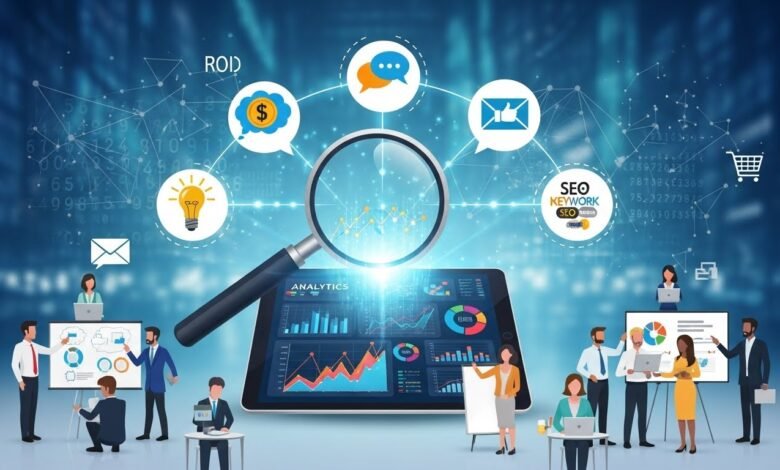
In the digital age, online marketing has evolved into an essential component of the strategic arsenal for agencies aiming to scale and sustain their client’s businesses. Navigating the complex and ever-changing landscape of digital marketing requires expertise, adaptability, and a comprehensive understanding of the online ecosystem. This guide aims to equip agencies with the insights and tools necessary to craft effective online marketing strategies.
The Essentials of Online Marketing
Online marketing encompasses a diverse range of strategies designed to reach and engage the target audience through digital channels. These strategies include search engine optimization (SEO), content marketing, social media marketing, email marketing, and pay-per-click (PPC) advertising, among others. Each channel offers unique opportunities and challenges, and the most successful campaigns often integrate several strategies to maximize reach and impact.
Building a Robust Online Marketing Strategy
1. Define Clear Objectives
Before diving into specific tactics, it is crucial for agencies to establish clear, measurable objectives. These goals could range from increasing brand awareness and generating leads to driving sales and improving customer retention. Having well-defined objectives helps in choosing the appropriate channels and measuring the success of the marketing efforts.
2. Know Your Audience
Understanding the target audience is a cornerstone of effective online marketing. Agencies should invest in market research to gather insights about the demographics, preferences, and behaviors of their audience. This information is invaluable in crafting personalized messages that resonate with potential customers.
3. Craft Compelling Content
Content is king in the digital world. Agencies should focus on creating high-quality, relevant content that educates, entertains, or inspires the audience. This can include blog posts, videos, infographics, and more. Engaging content not only attracts visitors but also encourages sharing and builds brand authority.
4. Optimize for Search Engines
SEO is a powerful tool for increasing the visibility of a brand online. Agencies should ensure that their clients’ websites are optimized for search engines by including relevant keywords, optimizing site structure, and improving load speed. Regularly updating content and acquiring backlinks can also significantly enhance search engine rankings.
5. Harness the Power of Social Media
Social media platforms offer unparalleled opportunities to connect with audiences on a personal level. Agencies should identify the platforms where their target audience is most active and develop a consistent posting schedule. Engaging with users through comments, messages, and interactive content can foster a strong community around the brand.
6. Leverage Data Analytics
Data analytics tools provide valuable insights into the performance of online marketing campaigns. Agencies should use these tools to track key metrics such as website traffic, conversion rates, and social media engagement. Analyzing this data allows for informed decision-making and ongoing optimization of marketing strategies.
Additional Insights on Online Marketing for Agencies
Successful online marketing goes beyond using individual channels—it requires alignment between strategy, execution, and measurement. Agencies that consistently deliver results focus on long-term value rather than short-term wins. This means prioritizing user experience, maintaining brand consistency across platforms, and continuously refining campaigns based on performance data.
Another critical factor is adaptability. Digital platforms frequently update algorithms, ad policies, and features. Agencies that stay informed and agile are better positioned to protect client performance and seize new opportunities before competitors do.
Collaboration between teams—SEO specialists, content creators, paid media managers, and analysts—also plays a vital role. Integrated workflows ensure messaging remains consistent and campaigns perform efficiently across all digital touchpoints.
Embracing Innovations in Online Marketing
Online marketing is a dynamic field, continuously evolving with technological advancements and consumer trends. Agencies must stay informed about the latest developments, such as artificial intelligence, voice search optimization, and augmented reality, to remain competitive and deliver cutting-edge solutions to their clients.
Conclusion
In summary, strategic online marketing is a multifaceted discipline requiring a blend of creativity, technical expertise, and data-driven insights. By defining clear objectives, understanding the audience, creating compelling content, optimizing for search engines, leveraging social media, and embracing innovation, agencies can effectively navigate the digital landscape and drive meaningful results for their clients. For further insights and professional assistance, agencies can visit Huntsville Marketing.
By mastering these elements, agencies can not only elevate their clients’ brands but also establish themselves as leaders in the digital marketing space.
FAQs
Q: What is online marketing, and why is it important for agencies?
Online marketing refers to promoting brands through digital channels such as search engines, social media, email, and websites. It is essential for agencies because it allows them to reach targeted audiences, track performance in real time, and deliver measurable results for clients.
Q: Which online marketing strategy delivers the fastest results?
Paid advertising strategies like PPC and social media ads typically deliver faster results. However, long-term strategies such as SEO and content marketing provide sustainable growth and higher ROI over time.
Q: How can agencies choose the right marketing channels for clients?
Agencies should base channel selection on the client’s goals, target audience behavior, budget, and industry. Data from market research and past campaign performance helps guide informed decisions.
Q: How important is SEO in an online marketing strategy?
SEO is critical for long-term visibility and organic traffic growth. A well-optimized website builds credibility, reduces dependency on paid ads, and attracts high-intent users over time.
Q: How does content marketing support online marketing efforts?
Content marketing builds trust, educates audiences, and supports SEO and social media efforts. High-quality content improves engagement, drives traffic, and positions brands as industry authorities.
Also Read: Digital Marketing Success 2025 Complete Strategy Guide