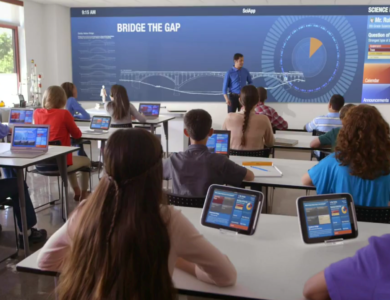
When parents search for online coding classes for kids price, they usually want a clear answer fast: “How much will I pay each month, and what do I get for that money?” The truth is pricing varies widely depending on the class format (live vs self-paced), teacher support, class size, curriculum depth, and whether your child is learning beginner platforms like Scratch or advanced paths like Python and web development. Some options cost nothing, while others can run like premium tutoring. The good news is you can almost always find a program that fits your budget, whether you want a fun weekly hobby or a serious, skill-building learning track.
In this guide, you’ll learn exactly what online coding classes for kids price looks like in 2026, what affects the cost, how to spot real value, and which pricing model works best for your child.
Why Online Coding Class Prices for Kids Vary So Much
Before comparing numbers, it helps to understand what you’re actually paying for. In most cases, coding classes for kids cost is driven by teaching time and support. A self-paced platform can charge much less because one subscription serves thousands of students. Live classes cost more because you’re paying for instructor time, small group interaction, feedback, and often a structured learning plan.
You’ll also see price differences based on curriculum quality. A program that includes project-based learning, progress reports, and real instructor guidance usually costs more than a platform that simply offers videos and quizzes.
Another factor is brand positioning. Some platforms price themselves as premium “coding academies,” while others focus on affordability or a freemium model.
Online Coding Classes for Kids Price Ranges in 2026
Let’s put real numbers on the question: online coding classes for kids price typically falls into three main ranges.
Self-paced coding subscriptions are often the lowest-cost option. Platforms like Tynker offer premium home plans that give full access to self-paced content across block coding and advanced coding tracks (Python, Java, JavaScript, and more). These kinds of subscriptions are usually billed monthly or yearly and can be a budget-friendly choice for independent learners.
Instructor-led group classes generally sit in the mid-range to higher range. For example, some providers advertise pricing as low as $99 per month for online classes depending on plan type and group setup, which can make them more affordable than private tutoring.
Per-session models are common too. Create & Learn, for instance, highlights pricing starting as low as $21 per session, which is helpful if you prefer paying only for what your child attends rather than committing to a large monthly subscription.
And there are also free learning pathways. Code.org provides free K–12 computer science curriculum resources, which makes it one of the best places to start if you want to try coding with no upfront cost.
So while the exact kids programming classes price depends on the provider, most parents can find something in a realistic range from free to premium tutoring tiers.
Online Coding Classes for Kids Price: Live Classes vs Self-Paced Programs
This is one of the biggest pricing questions parents face because the learning experience is completely different.
Live Instructor-Led Coding Classes (Usually Higher Cost)
Live classes include scheduled sessions with a teacher, real-time support, and usually more accountability. Many parents choose live programs when their child needs structure or motivation.
These classes often include graded projects, teacher feedback, and a structured curriculum. Live formats can also be better for advanced learners who want to move into Python coding classes for kids price tiers or web/app development.
Many live programs position themselves as a full learning path rather than a “coding app,” and that’s why the cost is higher.
Codingal, for example, emphasizes live online coding classes across Scratch, Python, AI, app development, and web development tracks, which typically aligns with a premium instructor-led pricing model.
Self-Paced Coding Platforms (Usually Lower Cost)
Self-paced platforms are ideal if your child likes learning independently. They typically offer interactive modules, coding games, and projects with automated feedback.
Tynker’s premium plans provide access to block and text coding tracks in one subscription, which can be a strong value if your child likes exploring multiple languages and styles.
The tradeoff is support. If your child gets stuck, self-paced programs may not have immediate help, which can be frustrating for some learners.
What Impacts Coding Classes for Kids Cost the Most
When comparing online coding classes for kids price, don’t only look at the dollar amount. Look at the value drivers behind the price.
Teacher-to-Student Ratio
Smaller classes cost more because your child gets more attention. Large group classes cost less but may feel less personal.
Curriculum Depth and Outcomes
A curriculum that takes your child from Scratch to Python to AI projects will cost more than a casual intro course.
Lesson Format and Support
Programs with weekly homework, project reviews, parent updates, and progress tracking usually cost more than casual platforms.
Topic Choice (Roblox, Minecraft, AI, Python)
Some of the most searched programs like Roblox coding classes cost and Minecraft coding classes price can be higher because they often come as specialized tracks with game-building projects and instructor support.
Certificates and Accreditation
Some programs promote STEM accreditation or certificates. While certificates aren’t everything, they can increase price because they require structured assessments.
Common Pricing Models You’ll See (And Which One Is Best)
Most families will encounter three common structures when researching online coding classes for kids price.
Monthly Subscription
Best for self-paced learning and families who want flexibility. You can cancel easily if your child loses interest.
Per-Session Pricing
This works well when you’re unsure about commitment. It also helps if your child’s schedule changes often. Create & Learn’s pricing approach highlights per-session affordability and bulk buy options for families who want to commit to more sessions.
Course-Based Tuition
Some coding academies charge per course or per term. This is often best for serious learners because the curriculum is structured like a school term.
CodeWizardsHQ, for instance, offers structured online classes and highlights group pricing that can lower monthly cost depending on enrollment setup.
Free Options: Can You Get Great Coding Education Without Paying?
Yes, and this is important for parents comparing online coding classes for kids price.
Code.org is one of the most well-known free options, offering free K–12 curriculum resources in computer science and AI. For many families, Code.org is the perfect starting point because it helps you test your child’s interest before paying for premium programs.
Free options work best when a parent is willing to support learning at home, especially for younger kids who may need help staying focused.
However, free programs don’t always provide personalized feedback, and they may not offer the same structured progression as paid programs.
How to Choose the Best Value (Not Just the Lowest Price)
Here’s the key point: the “best” online coding classes for kids price is the one that matches your child’s learning style and your family’s goals.
If your child is a complete beginner and easily discouraged, paying for live support can save time and frustration. If your child is self-motivated and loves exploring, a self-paced subscription may be enough.
Value also depends on what outcomes you expect. If your child is learning coding as a hobby, you don’t need a high-end program. But if your goal is long-term skill-building that leads into Python, web development, or competitive portfolios, structured programs can be worth the investment.
Best Programs to Compare When Checking Online Coding Classes for Kids Price
When parents search Google, these platforms often appear because they have established kids’ coding offerings and clear pricing models.
Tynker is widely known for its self-paced subscription model with multiple coding tracks.
Create & Learn is often compared because it highlights per-session pricing and multiple learning options.
CodeWizardsHQ is commonly included in comparisons because it promotes structured instructor-led classes and group pricing options for better value.
Code.org is frequently recommended because the curriculum is free, making it a strong baseline for families who want a no-cost entry into coding.
And platforms like Codingal show up often because they offer live instructor-led coding classes across popular tracks like Scratch, Python, AI, app development, and web development.
Online Coding Classes for Kids Price by Age Group
Pricing often changes based on how much supervision and instructor support kids need.
Ages 5–7 typically focus on block coding and basic logic games. Programs for this age group can be more expensive in live formats because young kids need more guidance and smaller class sizes.
Ages 8–12 often explore Scratch, Roblox, Minecraft modding, and beginner Python. This is where many parents start paying for structured learning because kids become ready for real projects.
Teens (13–18) may want advanced courses in Python, JavaScript, web development, AI, and data science. At this stage, pricing can rise because instructors are teaching more complex skills and students often want portfolio-level projects.
Hidden Costs Parents Forget to Factor In
When comparing online coding classes for kids price, remember to check the fine print.
Some programs charge extra for certificates, advanced levels, or add-on tutoring. Others may require separate software accounts or paid versions of game platforms.
Also watch for annual billing. A plan might look cheap “per month,” but only if you pay upfront for a full year.
Always check whether there is a free trial. Many companies offer trial lessons or intro access so you can test before committing. Codingal, for example, promotes a free trial lesson experience for kids and teens, which can be useful when you’re comparing value.
Conclusion
Finding the best online coding classes for kids price is less about hunting for the cheapest option and more about matching the program to your child’s learning needs. If your child thrives with structure, live instructor-led classes may be worth the higher monthly cost. If your child is self-motivated and loves exploring, a self-paced subscription can deliver excellent value. And if you’re still unsure, starting with free learning resources like Code.org is a smart way to test interest before investing.
If you’re ready to compare real programs and pick the best fit, start today by shortlisting a few options and choosing the one with the best online coding classes for kids price for your budget, schedule, and goals.
Want the best deal? Begin with a trial class, compare what’s included, and enroll confidently using the most cost-effective online coding classes for kids price option for your child’s future.