Current Home Decor Trends 2025 | Style Guide & Ideas
The current home decor trends transforming interiors in 2025. From warm earthy tones to sustainable materials, create your dream space today.


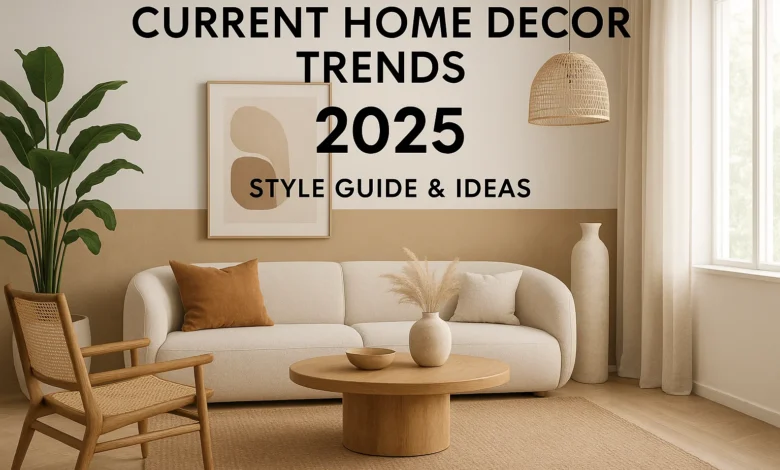
The world of interior design is experiencing an exciting transformation. Current home decor trends in 2025 reflect a powerful shift toward warmth, sustainability, and personal expression. Gone are the days of sterile, all-white spaces. Today’s homeowners are embracing rich colors, natural materials, and designs that tell their unique stories.
Whether you’re planning a complete home makeover or simply refreshing a single room, understanding current home decor trends will help you create spaces that feel both contemporary and timeless. This comprehensive guide explores the most influential design movements shaping modern interiors, offering practical tips to incorporate these trends into your own home.
The Warmth Revolution: Earthy Tones Take Center Stage
Why Warm Colors Are Dominating Interior Design
Design professionals are witnessing a dramatic shift from stark whites and cool grays toward rich, earthy hues like terra cotta, beige, taupe, ocher, dusty blue, and muted sage green. This color revolution isn’t just about aesthetics—it’s about creating spaces that feel genuinely inviting and connected to nature.
Deep brown, forest green, and sun-baked terracotta are edging out the cool grays that dominated for years, balanced with creamy stone and warm whites that allow palettes to breathe. These grounding colors promote relaxation and create environments where people actually want to spend time.
How to Incorporate Warm Tones
Start small if you’re nervous about bold color choices. Paint an accent wall in terracotta or olive green. Add textiles like throw pillows, blankets, and curtains in warm hues. Consider switching out artwork to incorporate earthy tones that complement your existing furniture. The key is layering these colors thoughtfully rather than overwhelming your space.
Sustainable Materials: The Eco-Conscious Design Movement
Natural Materials Leading the Way
Sustainability has evolved from a nice-to-have feature to an essential consideration in modern interior design. Vegan leathers, non-toxic materials, and eco-friendly products are no longer just options but essentials for homeowners who want their spaces to reflect their values.
Reclaimed wood, bamboo, and recycled glass are popular eco-friendly choices that bring unique textures, long-lasting durability, and elegance to spaces. These materials reduce environmental impact while adding character that mass-produced items simply cannot match.
Choosing Sustainable Decor
Look for furniture with certifications like FSC (Forest Stewardship Council) for wood products. Choose organic cotton, hemp, or linen for textiles and bedding. Explore local thrift stores and vintage shops for one-of-a-kind pieces that reduce waste. When purchasing new items, research brands committed to sustainable production methods and ethical labor practices.
Curved Furniture and Organic Shapes
Softening Interior Spaces
Angular, boxy furniture is making way for pieces with rounded edges and flowing lines. Arched walls, doorways, windows, and accessories like arched mirrors and headboards are bringing scalloped silhouettes that add playfulness and soften harsh angles to generate a welcoming, cozy feel.
Furniture and decor are adopting more sculptural shapes, from curved sofas to asymmetrical mirrors and stone tables with softened edges, adding visual interest while evoking a sense of calm and connection to nature. These organic forms bridge the gap between art and functionality.
Incorporating Curves Into Your Home
You don’t need to replace all your furniture to embrace this trend. Start with a curved mirror or rounded coffee table. Choose a boucle sofa with soft edges. Look for lighting fixtures with organic, flowing shapes. Even small touches like rounded vases or sculptural bowls can introduce this softening effect.
Maximalism and Personal Expression
Celebrating Abundance
Minimalism isn’t disappearing, but it’s definitely softening. Homeowners are becoming more open to bold color, pattern, and accessories, creating eclectic and layered spaces with warmer palettes and natural materials. This shift toward maximalism celebrates personality and creativity.
Searches for vintage maximalism have surged 260% and dream thrift finds have increased 550% among younger buyers, indicating a strong appetite for unique, collected interiors that tell personal stories.
Creating Your Maximalist Space
The secret to successful maximalism is intentionality. Don’t just accumulate items—curate them. Mix patterns and textures thoughtfully. Create gallery walls with artwork that speaks to you. Display collections of objects you love. Layer rugs, textiles, and accessories to add depth. The goal is creating a space that feels abundant yet cohesive, not cluttered.
Biophilic Design: Bringing Nature Indoors
The Health Benefits of Natural Elements
Biophilic design is no longer a luxury but a lifestyle, with designers weaving natural elements into everyday interiors to nurture both beauty and well-being. Research consistently shows that surrounding yourself with nature-inspired elements reduces stress and boosts creativity.
This trend extends beyond simply adding houseplants. Think natural wood beams, stone accent walls, water features, and maximizing natural light through strategic window treatments. The goal is creating seamless connections between indoor and outdoor spaces.
Practical Biophilic Design Tips
Install large indoor plants like fiddle leaf figs or palm trees to make bold statements. Create living walls with vertical gardens. Use natural materials like rattan, jute, and wicker for furniture and accessories. Position seating areas near windows to maximize natural light exposure. Choose earthy color palettes that echo outdoor landscapes.
Color Drenching and Material Drenching
Creating Immersive Environments
Bold, saturated colors are making a comeback with color-drenched rooms using a single hue in varying shades to create cohesive and impactful looks. This technique involves painting walls, trim, ceilings, and even doors in the same color family for maximum visual impact.
Material drenching describes decorating an entire room with one material—whether wood, stone, plaster, fabric, or something more tactile than paint—to achieve an elevated look with more dimension and enhanced mood-boosting qualities.
Implementing Drenching Techniques
Choose a color or material you absolutely love, since it will dominate your space. For color drenching, select a hue with depth that won’t feel overwhelming over large areas—think rich jewel tones or warm earthy colors. For material drenching, consider wood paneling, textured plaster walls, or stone surfaces. Balance intensive drenching with lighter accents to prevent spaces from feeling too heavy.
Smart Home Integration
Technology Meets Design
Technology is becoming even more seamlessly integrated into homes, with discreet tech incorporating smart home devices that blend effortlessly with decor through hidden speakers, wireless charging furniture, and voice-controlled lighting.
The key is making technology invisible. Modern homeowners want the benefits of smart homes without the aesthetic compromises. Designers are responding with furniture that conceals charging stations, artwork that doubles as display screens, and lighting systems controlled through voice or smartphone apps.
Adding Smart Features Subtly
Choose furniture with built-in wireless charging capabilities. Install smart lighting systems that can change color temperature throughout the day. Consider motorized window treatments that automatically adjust based on sunlight. Select appliances in finishes that complement your design aesthetic rather than looking overtly tech-focused.
Multifunctional Spaces and Flexible Design
Adapting to Modern Living
Multifunctional spaces are redefining modern living, with one room transitioning effortlessly from office to lounge to guest space through modular furniture, hidden storage, and convertible desks. This flexibility is especially valuable in smaller homes or apartments.
The pandemic fundamentally changed how we use our homes. Spaces must now accommodate work, exercise, leisure, and entertainment—often simultaneously. Smart design solutions make this possible without sacrificing style.
Creating Flexible Rooms
Invest in quality modular furniture that can be reconfigured. Choose ottomans with hidden storage. Install murphy beds or sofa beds for guest accommodations. Use room dividers like open shelving or curtains to create zones within larger spaces. Select desks that fold away when not in use. The goal is maintaining clean lines while maximizing functionality.
Victorian and Vintage Revival
Embracing Historical Details
Victorian-inspired design with decorative details like fringe on chairs, tassel drapery pulls, gilded details, ornate moldings, velvet or mohair throw pillows, toile wallpaper, and decorative millwork adds warmth and nostalgia to modern spaces.
This trend reflects a broader cultural longing for the warmth and charm of earlier eras. However, modern interpretations avoid feeling stuffy by mixing historical elements with contemporary pieces.
Modernizing Vintage Style
Shop estate sales, antique markets, and vintage stores for authentic pieces. Mix one or two Victorian elements—like an ornate mirror or velvet chair—with modern furniture to avoid overwhelming your space. Choose vintage textiles like tapestries or needlepoint pillows. Consider wallpaper with historical patterns in updated color palettes. The secret is balance: vintage pieces should enhance, not dominate, your overall design.
Texture and Tactile Layering
The Rise of Sensory Design
Texture is having a moment, with homeowners gravitating toward exotic marble and quartzite for kitchens, powder rooms, and decorative accents, alongside layering different textural elements. Creating rich, tactile environments engages multiple senses beyond sight.
Think nubby boucle sofas, chunky knit throws, smooth marble surfaces, rough-hewn wood, and plush velvet pillows all coexisting in the same space. This layering creates visual interest and depth.
Building Textural Layers
Mix smooth and rough textures within the same room. Pair leather with linen, glass with wood, metal with fabric. Add textured wall treatments like grasscloth or textured paint. Choose artwork with dimensional elements. Layer rugs of different textures. Use throws and pillows in varied materials. Each layer adds richness and prevents spaces from feeling flat or one-dimensional.
Kitchen and Bathroom Trends
English Country Kitchens
English-style kitchens feature cabinets in rich woods and historical paint colors like moody blues and deep greens, natural countertop materials like soapstone and butcher block, large range alcoves, wood ceiling beams, and collected looks that appear pieced together over time.
This trend celebrates warmth and tradition while maintaining functionality. It’s perfect for homeowners who want kitchens that feel lived-in rather than showroom-perfect.
Spa-Like Bathrooms
Bathrooms are becoming personal wellness retreats. Shower rooms with glass doors leading into fully enclosed spaces create intimate, spa-like looks and feelings, allowing features like steam and sauna functions, aromatherapy, and chromotherapy.
Incorporate heated floors, freestanding tubs, natural stone, and abundant storage to create your own home spa. Focus on creating calming environments where you can truly relax.
Lighting as Sculpture
Statement Fixtures
Lighting has evolved from purely functional to sculptural art pieces. Oversized pendant lights, organic-shaped chandeliers, and fixtures with interesting materials like woven rattan or brass are commanding attention as focal points.
Choosing the Right Lighting
Layer your lighting with ambient, task, and accent sources. Choose statement fixtures for dining areas or entryways where they’ll make maximum impact. Consider dimmable systems that adjust to different moods and times of day. Select fixtures that complement your overall design aesthetic while adding visual interest.
Conclusion
Current home decor trends in 2025 represent a thoughtful evolution toward more sustainable, personal, and comforting spaces. Whether you’re drawn to warm earthy palettes, sustainable materials, curved furniture, or maximalist expression, there’s room to create a home that reflects your unique personality while embracing contemporary design principles.
The most successful interiors thoughtfully blend multiple trends rather than adopting any single aesthetic wholesale. Start with elements that genuinely resonate with you, build slowly, and create spaces that tell your story. Remember that trends come and go, but a home filled with pieces you love will always feel current.
By incorporating even a few of these current home decor trends, you’ll create interiors that feel fresh, inviting, and perfectly suited to modern living. The key is balancing contemporary influences with timeless design principles and, most importantly, your personal taste. Your home should be a reflection of who you are—beautifully designed and authentically you.
FAQs
Q What are the biggest home decor trends right now?
The current home decor trends include warm, earthy color palettes with terracotta and forest green, sustainable materials like reclaimed wood and bamboo, curved furniture with organic shapes, biophilic design bringing nature indoors, and layered maximalism celebrating personal expression.
Q How can I make my home more sustainable?
Choose furniture and decor made from reclaimed wood, bamboo, or recycled materials. Purchase from brands with environmental certifications. Shop secondhand and vintage stores. Use organic textiles like cotton, linen, or hemp. Install energy-efficient lighting and appliances. Prioritize quality pieces that will last for years.
Q Are neutral colors still in style?
Neutrals remain popular, but they’ve shifted from cool grays to warm beiges, taupes, creams, and earthy tones. These warmer neutrals create cozier, more inviting spaces that feel connected to nature rather than sterile or cold.
Q How do I mix modern and vintage decor?
Start with a modern base and add vintage pieces as accents. Limit vintage items to 20-30% of your furniture and decor to avoid overwhelming the space. Choose vintage pieces that complement your color palette. Mix eras—don’t feel obligated to commit to one specific time period. Focus on quality and uniqueness when selecting vintage items.
Q What’s the difference between maximalism and cluttered spaces?
Maximalism is intentional and curated, with carefully selected pieces that work together despite their abundance. Cluttered spaces lack cohesion and intentionality. Successful maximalism involves thoughtful color coordination, purposeful arrangement, and displaying items you genuinely love rather than accumulating random objects.
Read More: Best Budget Smart Home Devices for Beginners 2025