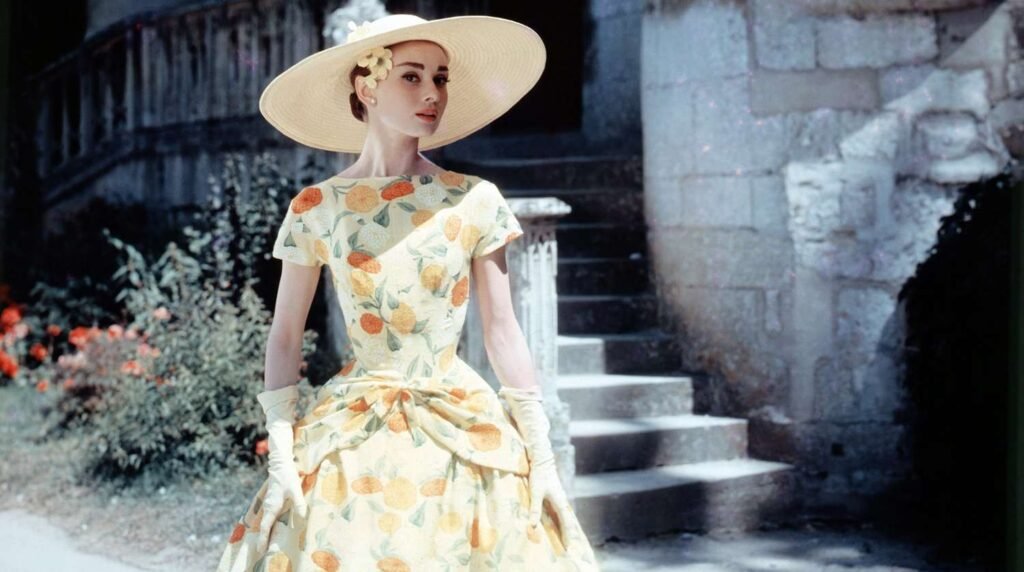
Audrey Hepburn. The legendary actress wasn’t just a Hollywood icon; she was a fashion revolutionary who transformed the way women approached style in the mid-20th century and beyond. Her influence on fashion continues to resonate decades after her passing, proving that true elegance never goes out of style.
Audrey Hepburn’s fashion legacy is built on simplicity, grace, and an innate understanding of what worked for her unique frame and personality. Audrey Hepburn Fashion: Unlike many of her contemporaries who embraced voluptuous silhouettes and excessive embellishments, minimalist approach that was both refreshing and revolutionary. Her collaboration with legendary designer Hubert de Givenchy created some of the most memorable fashion moments in cinematic and fashion history.
What makes Audrey Hepburn’s style so enduring is its accessibility and timelessness. While trends come and go, the principles she embodied—clean lines, quality over quantity, and dressing for your body type—remain relevant today. Fashion enthusiasts, designers, and everyday women continue to draw inspiration from her iconic looks, whether it’s the little black dress, elegant capri pants, or sophisticated evening gowns.
In this comprehensive exploration, we’ll journey through twelve of the most iconic Audrey Hepburn fashion moments that have solidified her status as a style icon. These not only defined an era but continue to inspire modern fashion, proving that genuine elegance is truly timeless.
The Little Black Dress in Breakfast at Tiffany’s

Perhaps no single garment in fashion history is as instantly recognizable as the Givenchy black dress Audrey Hepburn wore in the opening scene of “Breakfast at Tiffany’s.” This simple yet stunning dress, paired with pearls, oversized sunglasses, and an elegant updo, became the gold standard for sophisticated urban style.
The genius of this look lies in its simplicity. The sleeveless sheath silhouette, crafted from Italian satin, perfectly complemented Hepburn’s slender frame while exuding an air of effortless sophistication. The dress wasn’t overly embellished or complicated; instead, it relied on impeccable tailoring and quality fabric to make its statement.
This iconic moment revolutionized how women approached evening wear. Before this, formal dresses were often elaborate affairs with layers of tulle and excessive ornamentation. Hepburn’s streamlined approach proved that less could indeed be more, and that a well-fitted black dress could be the most powerful item in a woman’s wardrobe. Today, fashion experts credit this single scene with popularizing the concept of the little black dress as a wardrobe essential, making it a staple that transcends generations and fashion movements.
The Sabrina Boatneck and Capri Pants: Audrey Hepburn Fashion
In the 1954 film “Sabrina,” Audrey Hepburn introduced audiences to a style transformation that would influence casual fashion for decades. Her character’s evolution from chauffeur’s daughter to sophisticated woman was marked by her adoption of elegant yet comfortable pieces, most notably the boatneck top and capri pants combination.
The boatneck neckline, which gracefully skims across the collarbone, became synonymous with Hepburn’s signature style. This neckline is particularly flattering for those with narrower shoulders, as it creates the illusion of width and balance. Paired with cropped pants that hit just below the calf, this ensemble epitomized relaxed elegance.
What made this look revolutionary was its practicality combined with sophistication. Women could finally be both comfortable and chic, whether strolling through European streets or attending casual social gatherings. The capri pant, in particular, offered a fresh alternative to the restrictive full skirts of the early 1950s, providing freedom of movement without sacrificing style. This combination remains a summer wardrobe staple, with countless modern iterations paying homage to Hepburn’s original vision.
The Wedding Dress in Funny Face
“Funny Face” showcased Audrey Hepburn as a fashion model, and the film’s wedding dress sequence remains one of cinema’s most breathtaking bridal moments. The Givenchy-designed gown featured a simple yet dramatic silhouette with a voluminous skirt and delicate detailing that captured the essence of 1950s romantic elegance.
What distinguished this bridal look was its ability to balance drama with restraint. The bodice was fitted and unadorned, allowing the architectural beauty of the skirt to take center stage. This approach to bridal fashion influenced countless wedding dress designs in subsequent decades, proving that a bride doesn’t need excessive lace or embellishments to look spectacular.
The impact of this fashion moment extended beyond the wedding industry. It demonstrated Hepburn’s ability to wear couture in a way that felt approachable rather than intimidating. The dress wasn’t just beautiful; it was wearable, and it celebrated femininity without being overly fussy. Modern brides continue to seek out similar silhouettes, drawn to the timeless elegance that Hepburn embodied in this unforgettable scene.
The Beatnik Look in Funny Face
The same film that gave us that stunning wedding dress also introduced the world to Audrey Hepburn’s take on beatnik fashion. In the Greenwich Village-inspired scenes, she wore all-black ensembles, including black turtlenecks, slim pants, and flats, creating a look that was both intellectual and chic.
This aesthetic represented a significant departure from the traditionally feminine styles of the era. The beatnik look embraced androgyny, comfort, and artistic expression, values that resonated with the emerging counterculture movement. Hepburn’s interpretation made this bohemian style accessible to mainstream audiences while maintaining its edge and authenticity.
The influence of this fashion moment can still be seen in contemporary wardrobes. The black turtleneck and pants combination has become a uniform for creative professionals, artists, and anyone seeking a look that conveys both sophistication and substance. Fashion designers from Yves Saint Laurent to modern minimalists have drawn inspiration from this understated yet powerful aesthetic that Hepburn helped popularize.
The Oversized Sunglasses Phenomenon
While not a complete outfit, Audrey Hepburn’s oversized sunglasses deserve their own recognition as a fashion moment that transformed accessory culture. Those iconic black frames she wore in “Breakfast at Tiffany’s” weren’t just functional; they were a statement piece that added an air of mystery and glamour to any ensemble.
The beauty of these sunglasses lay in their ability to elevate even the simplest outfit. Hepburn understood that accessories could be transformative, and her consistent use of statement eyewear proved that a single piece could define an entire look. The oversized style also served a practical purpose, offering maximum sun protection while flattering her delicate facial features.
Decades later, oversized sunglasses remain a fashion staple, with designers releasing countless variations each season. From Jackie Kennedy to modern celebrities, many style icons have adopted this look, but it always traces back to Hepburn’s pioneering use of eyewear as a fashion statement. The trend demonstrates how a well-chosen accessory can become as iconic as the clothing itself.
The Roman Holiday Sundress
In her breakout role in “Roman Holiday,” Audrey Hepburn charmed audiences with her portrayal of a princess exploring Rome, and her wardrobe of simple sundresses captured the essence of carefree summer style. These cotton dresses, with their full skirts and fitted bodices, represented the perfect balance between comfort and elegance.
The genius of these looks was their relatability. Unlike the elaborate gowns typically associated with royalty, these dresses were pieces that everyday women could aspire to own and wear. The full skirt silhouette, cinched at the waist, created a feminine shape that worked for various body types, while the lightweight fabrics made them practical for warm weather.
This approach to summer dressing influenced vacation wardrobes worldwide. Women began to understand that looking polished during travel didn’t require complicated outfits or uncomfortable clothing. The Roman Holiday aesthetic promoted the idea that simplicity, quality fabrics, and proper fit were the true markers of style, not price tags or designer labels.
The Givenchy White Gown at the Oscars
When Audrey Hepburn accepted her Academy Award for “Roman Holiday” in 1954, she wore a stunning white Givenchy gown that set a new standard for red carpet elegance. The dress featured a fitted bodice with delicate floral embroidery and a full skirt, embodying the glamorous yet refined aesthetic that would become Hepburn’s trademark.
This Oscar appearance was significant because it marked the beginning of Hepburn’s lifelong collaboration with Hubert de Givenchy. The dress wasn’t the most revealing or dramatic on the red carpet that evening, but it was undeniably memorable. Its elegance came from its craftsmanship and the way it complemented Hepburn’s natural beauty rather than overwhelming it.
The influence of this moment on awards show fashion cannot be overstated. Hepburn demonstrated that red carpet appearances were opportunities to showcase artistry and elegance rather than simply attracting attention. Her approach inspired generations of actresses to choose sophisticated, well-crafted gowns over trendy or shocking pieces, understanding that classic elegance would stand the test of time.
The Trench Coat and Scarf Combination
Audrey Hepburn’s off-screen style was just as influential as her on-screen fashion moments. One of her most copied looks was the simple combination of a classic trench coat tied with a scarf at the neck, often paired with sunglasses and a sleek hairstyle. This ensemble became synonymous with European sophistication and travel chic.
The beauty of this look was its practicality combined with undeniable style. A quality trench coat is weather-appropriate, versatile, and timelessly elegant. By adding a silk scarf in a bold color or print, Hepburn showed how a single accessory could transform a utilitarian piece into a fashion statement. This approach to outerwear dressing influenced how women thought about functional pieces in their wardrobes.
Today, the trench coat remains a cornerstone of capsule wardrobes worldwide, and the addition of a scarf is still considered the finishing touch for a polished look. Fashion editors and stylists continue to reference Hepburn’s approach to this classic combination, proving that practical fashion can be just as inspiring as haute couture.
The Ballerina-Inspired Wardrobe
Audrey Hepburn’s background in ballet significantly influenced her fashion choices, and her ballerina-inspired aesthetic became one of her most enduring contributions to style. Flat ballet shoes, fitted turtlenecks, slim pants, and simple jewelry created a look that was graceful, comfortable, and effortlessly chic.
This approach to dressing was revolutionary in an era when femininity was often equated with discomfort—high heels, restrictive undergarments, and elaborate hairstyles. Hepburn proved that a woman could be both elegant and comfortable, that flat shoes could be just as sophisticated as stilettos, and that simplicity in dress didn’t diminish femininity.
The ballet flat, in particular, became one of fashion’s most enduring footwear styles thanks to Hepburn’s influence. Designers from Repetto to Chanel have created countless versions of this comfortable yet chic shoe, all tracing their lineage back to Hepburn’s dancer-inspired aesthetic. Her ability to merge comfort with style changed fashion in fundamental ways that still resonate today.
The Pillbox Hat and Gloves Era
During the late 1950s and early 1960s, Audrey Hepburn frequently appeared in pillbox hats and opera-length gloves, creating a look of refined sophistication that defined the era’s formal fashion. These accessories, often paired with simple sheath dresses or tailored suits, represented the height of ladylike elegance.
The pillbox hat, while popularized by First Lady Jackie Kennedy, was a staple in Hepburn’s wardrobe long before it became a political fashion statement. Hepburn wore these structured hats with an ease that made them seem essential rather than fussy. Similarly, her use of gloves—whether short day gloves or long evening styles—added a layer of polish to every outfit.
These accessories represented more than just fashion; they embodied an approach to dressing that valued formality, attention to detail, and respect for tradition. While modern fashion has largely moved away from such formal accessories, their influence remains visible in special occasion dressing and in the continued fascination with mid-century fashion aesthetics.
The Striped Shirt and Cigarette Pants

One of Audrey Hepburn’s most casual yet influential looks was the pairing of a Breton striped shirt with slim cigarette pants. This combination, often worn with ballet flats and minimal accessories, captured the essence of French-inspired casual elegance that has never gone out of style.
The striped shirt, originally a garment worn by French sailors, was transformed by Hepburn into a symbol of effortless chic. Paired with well-fitted black pants and simple flats, this outfit required no thought yet always looked intentional and polished. This was fashion democracy at its finest—pieces that anyone could afford and wear, yet looked undeniably stylish when put together with Hepburn’s sensibility.
This look has been endlessly replicated and referenced in fashion. Designers consistently return to the striped shirt as a wardrobe foundation, and the cigarette pant remains a staple in women’s fashion. The combination represents everything that made Hepburn’s style so influential: simplicity, wearability, and timeless appeal.
The Elegant Evening Coats
Audrey Hepburn’s collection of elegant evening coats demonstrated her understanding that outerwear could be just as important as the dress beneath it. Whether arriving at premieres or formal events, her choice of structured coats, often designed by Givenchy, showed that the entire ensemble mattered, not just the gown.
These coats were typically simple in silhouette but impeccable in construction. They featured clean lines, quality fabrics like wool or silk, and subtle details that elevated them from mere practical garments to fashion statements. Hepburn understood that first and last impressions mattered, and a beautiful coat was essential to creating a complete, polished look.
The influence of this approach can be seen in modern red carpet fashion, where celebrities are photographed arriving and leaving events, making their outerwear choices increasingly important. Hepburn’s emphasis on the complete ensemble—from accessories to outerwear—taught women to think about fashion holistically rather than focusing solely on the main garment.
Conclusion
Audrey Hepburn’s fashion legacy extends far beyond the twelve moments explored in this article. Her influence on style, elegance, and the very concept of what it means to be fashionable continues to resonate more than thirty years after her passing. What made her fashion choices so enduring was their foundation in principles that transcend trends: quality over quantity, fit over flash, and personal style over blind adherence to fashion dictates.
The collaboration between Hepburn and Givenchy created some of fashion’s most iconic moments, but her style influence wasn’t limited to haute couture. She demonstrated that true elegance could be achieved with simple pieces worn well—a striped shirt, well-fitted pants, a quality trench coat, or ballet flats. This democratic approach to fashion made style accessible while maintaining sophistication.
Today’s fashion landscape, with its emphasis on minimalism, capsule wardrobes, and timeless pieces, owes much to the aesthetic principles Hepburn embodied. Fashion designers from The Row to Phoebe Philo have built brands on the kind of understated elegance that Hepburn championed decades ago. Her approach to fashion—thoughtful, elegant, and personal—remains a guiding light for anyone seeking to develop their own sense of style.
As we continue to revisit and reinterpret Audrey Hepburn’s fashion moments, we’re reminded that true style isn’t about following every trend or wearing the most expensive pieces. It’s about understanding what works for your body, your lifestyle, and your personal aesthetic. Hepburn’s fashion legacy teaches us that elegance is timeless, simplicity is powerful, and confidence is the best accessory anyone can wear.
FAQs
Q: What made Audrey Hepburn’s style so different from other actresses of her era?
Audrey Hepburn’s style stood out because she embraced a minimalist, streamlined aesthetic in an era dominated by voluptuous silhouettes and excessive ornamentation. While contemporaries like Marilyn Monroe and Elizabeth Taylor embodied a more overtly glamorous, curvy style, Hepburn championed clean lines, simple silhouettes, and understated elegance. Her petite frame and gamine features led her to develop a unique fashion identity that emphasized her natural beauty rather than trying to conform to the dominant beauty standards of the 1950s. This authenticity made her style both refreshing and revolutionary.
Q2: How can modern women incorporate Audrey Hepburn’s style into contemporary wardrobes?
Incorporating Hepburn’s style into a modern wardrobe is surprisingly easy because her aesthetic principles remain timeless. Start with foundational pieces like a well-fitted little black dress, quality trench coat, ballet flats, striped Breton shirt, and tailored black pants. Focus on fit and quality rather than quantity—Hepburn famously had a relatively small wardrobe of well-made pieces. Add classic accessories like oversized sunglasses, simple pearl jewelry, and silk scarves. The key is choosing simple, well-constructed pieces in neutral colors that can be mixed and matched, then wearing them with confidence and grace.
Q: Who was Hubert de Givenchy, and why was his relationship with Audrey Hepburn so important?
Hubert de Givenchy was a French fashion designer who became Audrey Hepburn’s closest fashion collaborator and lifelong friend. Their partnership began when Hepburn sought him out for costumes for “Sabrina” in 1953, and it continued until Hepburn died in 1993. Givenchy understood Hepburn’s unique beauty and body type, creating designs that enhanced her natural elegance rather than overwhelming it. Their collaboration was important because it represented one of the first major partnerships between a movie star and a fashion designer, setting a precedent for how Hollywood and haute couture could work together. The mutual respect and understanding between them produced some of fashion history’s most iconic moments.
Q: What is the “Hepburn neck” and why did it become so popular?
The “Hepburn neck” refers to the boatneck or bateau neckline that Audrey Hepburn wore frequently and helped popularize. This wide, horizontal neckline runs across the collarbone from shoulder to shoulder, creating a graceful, elegant line. It became popular because it was particularly flattering on Hepburn’s slender frame and narrow shoulders, creating the illusion of width and balance. The neckline is also universally flattering because it draws attention to the collarbone and elongates the neck, creating a sophisticated look. After Hepburn wore this style in films like “Sabrina” and “Funny Face,” it became a staple in women’s fashion, particularly in casual and resort wear.
Q: Are Audrey Hepburn’s fashion principles still relevant in today’s fashion world?
Absolutely. In many ways, Audrey Hepburn’s fashion philosophy is more relevant today than ever. The current fashion landscape increasingly values sustainability, capsule wardrobes, quality over quantity, and timeless pieces over fast fashion—all principles that Hepburn embodied throughout her life. Her emphasis on finding styles that work for your individual body type and lifestyle, rather than blindly following trends, aligns perfectly with modern advice from fashion experts and stylists. Additionally, the minimalist aesthetic she championed has experienced a major resurgence in contemporary fashion.