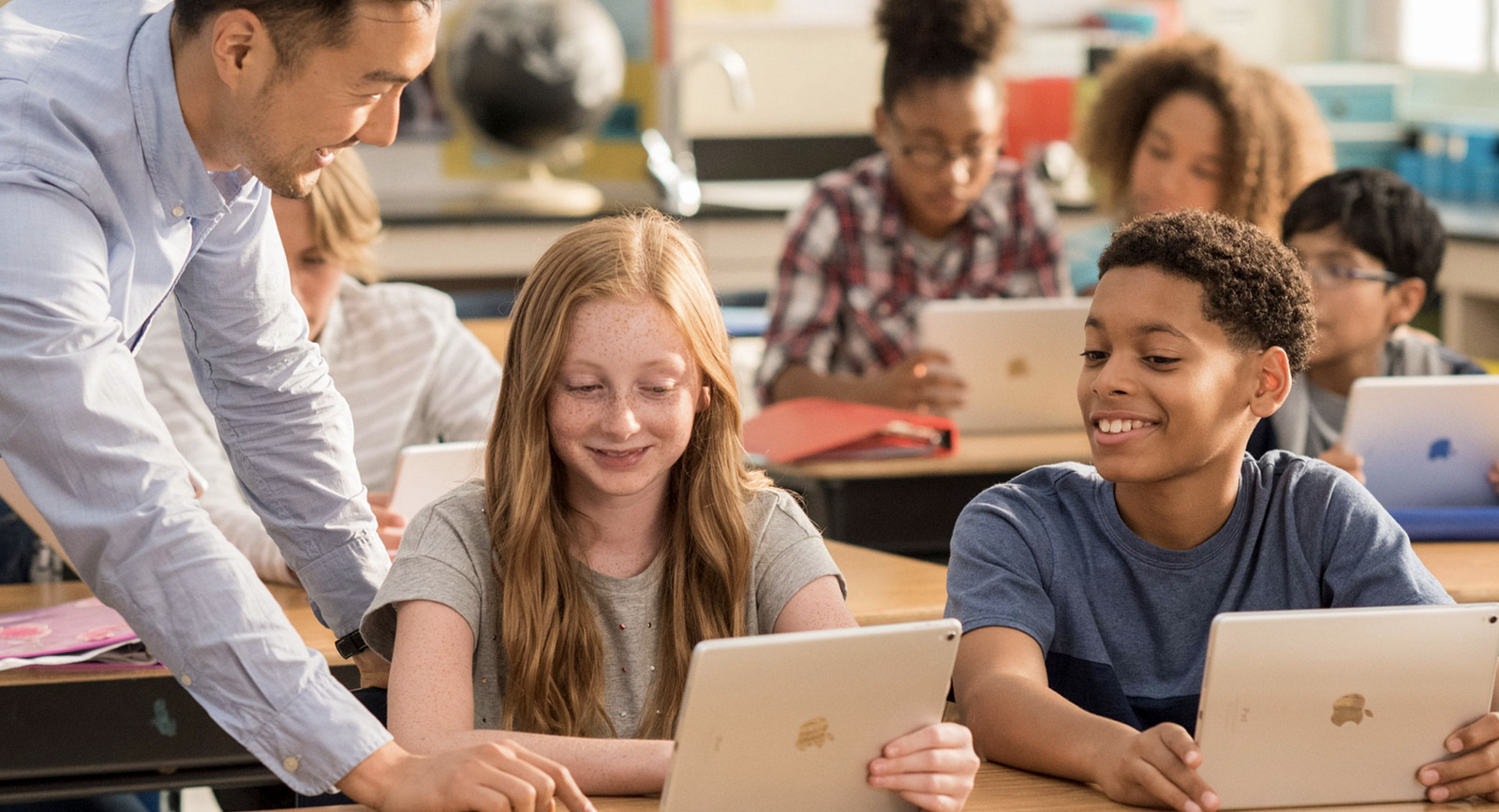
The Importance of Technology in Education How Digital Tools Transform Learning in 2025
Importance of technology in education and how digital tools enhance learning outcomes, student engagement, and teaching effectiveness.



The importance of technology in education has never been more evident than in today’s rapidly evolving digital landscape. As educational institutions worldwide embrace technological innovations, we’re witnessing a fundamental transformation in how students learn, teachers instruct, and knowledge is shared.
Technology has revolutionised traditional teaching methods, creating dynamic learning environments that cater to diverse learning styles and needs. From interactive whiteboards to artificial intelligence-powered learning platforms, educational technology has become an indispensable tool for enhancing academic outcomes.
The integration of digital tools in classrooms has opened new possibilities for personalised learning, global collaboration, and skill development, preparing students for the modern workforce. Understanding this technological shift is crucial for educators, parents, and policymakers who aim to ensure a high-quality education for future generations.
The Critical Role of Technology in Modern Education
Technology catalyses educational excellence, breaking down traditional barriers and creating opportunities for innovative teaching approaches. Modern classrooms equipped with digital tools offer students access to vast information repositories, interactive learning experiences, and real-time feedback mechanisms.
Educational technology platforms enable teachers to track student progress more effectively. They can identify learning gaps instantly and provide targeted interventions. This data-driven approach to education ensures that no student falls behind and that each learner receives the support they need to succeed.
The shift toward digital learning has also made education more accessible. Students with disabilities can benefit from assistive technologies, while those in remote areas can access quality education through online platforms and virtual classrooms.
Enhancing Student Engagement Through Educational Technology
Student engagement levels increase dramatically when technology is thoughtfully integrated into the learning process. Interactive multimedia content, gamified learning experiences, and collaborative digital projects effectively capture students’ attention, often in ways that traditional lectures cannot.
Virtual reality applications transport students to historical events, scientific laboratories, or distant planets. These immersive experiences create lasting memories and a deeper understanding of complex concepts. Students who might struggle with traditional textbook learning often excel when presented with visual, auditory, and kinesthetic learning opportunities.
Social learning platforms allow students to collaborate on projects regardless of their physical location. This global connectivity exposes learners to diverse perspectives and cultures, preparing them for an interconnected world.
Digital Tools That Drive Engagement
Modern educational technology includes learning management systems, interactive presentation software, and adaptive learning platforms. These tools provide immediate feedback, allowing students to understand their progress and areas for improvement in real-time.
Mobile learning applications enable students to continue their education outside traditional classroom hours. This flexibility accommodates different learning paces and schedules, making education more personalised and effective.
Preparing Students for Future Careers
Technology integration in education directly correlates with workforce readiness. Today’s students will enter careers that require digital literacy, critical thinking, and adaptability in a technological environment. Schools that embrace educational technology better prepare their graduates for these demands.
Coding and computational thinking skills, once considered specialised knowledge, are now fundamental literacy requirements. Students who learn these skills early gain significant advantages in higher education and career opportunities.
Project-based learning, utilising digital tools, teaches students to solve real-world problems collaboratively. They learn to research, analyse data, create presentations, and communicate effectively using various technological platforms.
Building 21st Century Skills
Critical thinking develops naturally when students use technology to research, evaluate sources, and synthesise information from multiple digital platforms. They learn to distinguish reliable information from misinformation, a crucial skill in our information-rich society.
Creative expression flourishes through digital art tools, video production software, and multimedia presentation platforms. Students can showcase their learning in innovative formats that demonstrate both content mastery and technological proficiency.
Overcoming Educational Challenges with the Importance of Technology in Education
Educational systems worldwide face numerous challenges that have persisted for decades. Technology emerges as a powerful solution, transforming how schools address teacher shortages, resource limitations, geographic barriers, and diverse learning needs. The strategic implementation of educational technology creates opportunities where traditional methods fall short.
Addressing Critical Teacher Shortages
Teacher shortages affect millions of students worldwide, particularly in rural areas and in specialized subjects such as mathematics, science, and foreign languages. Artificial intelligence tutoring systems step in to fill these gaps, providing personalized instruction when qualified human teachers are unavailable.
AI-powered platforms, such as Carnegie Learning and DreamBox, adapt to individual student learning patterns, offering immediate feedback and customized lesson paths. These systems work around the clock, ensuring continuous learning support regardless of teacher availability. Virtual teaching assistants can handle routine questions, allowing human teachers to focus on complex instructional tasks.
Video conferencing technology enables expert teachers to reach multiple classrooms simultaneously. A single mathematics specialist can now teach students across different schools or even countries, maximizing the impact of limited teaching resources. This approach has proven particularly valuable in connecting rural schools with urban educational expertise.
Breaking Down Resource Barriers
Traditional educational resource limitations create significant disparities between well-funded and underfunded schools. Technology democratizes access to high-quality educational materials, leveling the playing field for all students.
Digital libraries, such as Khan Academy, Coursera, and MIT OpenCourseWare, provide free access to university-level content that would otherwise be unaffordable for many students. Students in remote villages can now access the same physics lectures as those at top universities. This transformation eliminates geographic and economic barriers to quality education.
Virtual laboratories simulate expensive scientific equipment and hazardous experiments, enabling students to conduct complex research without the need for costly infrastructure. Chemistry students can explore molecular interactions, while biology students can dissect virtual specimens without the expense and ethical concerns of physical specimens.
Cloud-based learning management systems reduce the need for expensive textbooks and printed materials. Digital books can be updated instantly, ensuring students always have access to current information. Interactive elements within digital content enhance understanding through multimedia presentations, embedded videos, and interactive simulations.
Personalizing Learning Through Adaptive Technology
Individual learning differences present one of the most significant challenges in education. Students learn at different paces, prefer different learning styles, and bring varying background knowledge to the classroom. Adaptive learning platforms address these differences by creating personalized educational experiences.
Intelligent tutoring systems analyze student responses in real time, identify knowledge gaps, and adjust instruction accordingly. When a student struggles with algebraic concepts, the system provides additional practice problems, alternative explanations, and remedial content to support their learning. Advanced learners receive accelerated challenges that prevent boredom and maintain engagement.
Machine learning algorithms track learning patterns across thousands of students, identifying effective teaching strategies for different learning profiles. These insights help teachers understand which approaches work best for visual, auditory, and kinesthetic learners. The result is more targeted and practical instruction for every student.
Competency-based learning platforms enable students to progress at their own pace, rather than adhering to rigid semester schedules. Motivated students can advance quickly through material they master easily, while those needing more time can receive extended support without falling behind their peers.
Supporting Diverse Learning Needs
Educational technology proves particularly transformative for students with diverse learning needs, including those with disabilities, English language learners, and students from disadvantaged backgrounds.
Assistive Technologies for Students with Disabilities
Students with learning disabilities benefit tremendously from specialized assistive technologies. Text-to-speech software, such as Natural Reader, helps dyslexic students access written content by converting text to speech. These tools reduce reading barriers, allowing students to focus on comprehension rather than decoding.
Visual learning tools support students who struggle with traditional auditory instruction methods. Mind mapping software, graphic organizers, and visual scheduling apps help students with ADHD stay organized and focused. Interactive whiteboards and tablet applications provide tactile learning experiences for students who learn best through touch and manipulation.
Speech recognition software enables students with physical disabilities to complete written assignments through voice commands. Students with motor-skill challenges can fully participate in digital activities without being limited by traditional writing requirements. Eye-tracking technology even enables students with severe physical limitations to interact with computers using only their eyes.
Supporting English Language Learners
English language learners face unique challenges in mainstream classrooms. Translation tools and language-learning applications bridge communication gaps while supporting the development of native-language skills. Real-time translation apps help students understand complex academic content while they develop English proficiency.
Language learning platforms like Duolingo and Rosetta Stone provide scaffolded support that gradually builds independence. These tools offer pronunciation practice, grammar exercises, and vocabulary building in engaging, game-like formats. Students can practice at their own pace without fear of embarrassment in front of their peers.
Multimedia content with visual supports helps English learners understand academic concepts even when language barriers exist. Video content with subtitles, interactive diagrams, and picture-based instructional materials makes complex subjects accessible to students who are still developing their English skills.
Teacher Empowerment Through Educational Technology
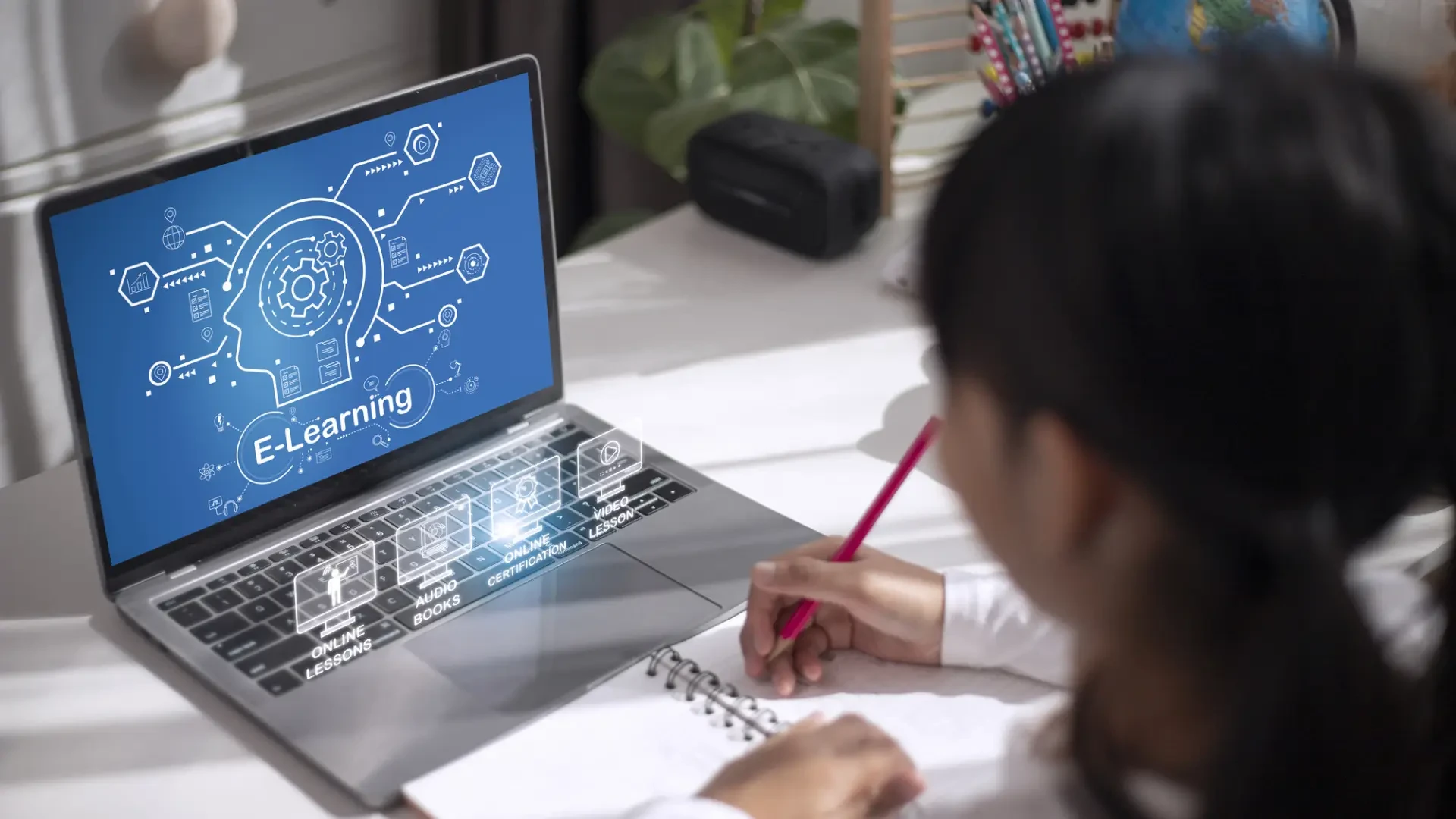
Technology not only benefits students but also dramatically enhances teacher effectiveness and job satisfaction. Modern educational technology platforms provide teachers with powerful tools for instruction, assessment, professional development, and classroom management.
Expanding Professional Development Opportunities
Professional development opportunities expand exponentially when teachers gain access to online courses, webinars, and collaborative platforms. Traditional professional development often requires expensive travel and time away from classrooms. Digital alternatives offer flexible and cost-effective learning opportunities that teachers can pursue without disrupting their schedules.
Online platforms like EdX, Coursera for Teachers, and Teaching Channel offer specialized courses in educational technology, subject-specific methodologies, and classroom management techniques. Teachers can earn continuing education credits from prestigious universities without leaving their communities. This accessibility ensures that all educators, regardless of location or budget constraints, can pursue professional growth.
Virtual professional learning communities connect teachers with colleagues worldwide. Educators can share best practices, collaborate on curriculum development, and solve common challenges through online forums and video conferences. A kindergarten teacher in rural Montana can learn from experienced colleagues in Singapore, expanding their pedagogical toolkit through global collaboration.
Microlearning platforms deliver bite-sized professional development content that busy teachers can consume during short breaks. Five-minute videos on classroom technology integration or brief articles on student engagement strategies fit naturally into teachers’ demanding schedules. This just-in-time learning approach ensures continuous professional growth without overwhelming busy educators.
Revolutionizing Assessment and Feedback
Digital assessment tools transform how teachers evaluate student learning and provide feedback. Traditional paper-based assessments require hours of manual grading, leaving teachers exhausted and students waiting for days to receive their results. Technology-enhanced assessment offers immediate feedback and detailed analytics about student performance.
Automated grading systems handle multiple-choice questions, short answers, and even some essay responses using artificial intelligence. Teachers can focus their grading efforts on complex, creative assignments that require human judgment. This efficiency enables educators to allocate more time to high-value activities, such as one-on-one student conferences and lesson planning.
Real-time assessment platforms, such as Kahoot, Nearpod, and Plickers, provide instant feedback during lessons. Teachers can gauge student understanding immediately and adjust instruction accordingly. If 70% of students struggle with a particular concept, teachers can reteach the material before moving forward, preventing learning gaps from widening.
Learning analytics dashboards provide comprehensive views of student progress over time. Teachers can identify patterns in student performance, predict potential learning difficulties, and intervene proactively to support students’ learning. Data visualization tools transform complex student data into actionable insights that inform instructional decisions.
Rubric-based assessment tools ensure consistent, fair evaluation while saving time. Digital rubrics can be applied across multiple assignments, providing students with clear expectations and teachers with efficient grading workflows. Automated feedback generation enables teachers to provide personalized comments on every assignment without incurring excessive time spent on repetitive tasks.
Streamlining Classroom Management
Classroom management becomes significantly more efficient with integrated technology platforms that handle administrative tasks seamlessly. Modern learning management systems serve as central hubs for organizing lesson plans, tracking attendance, communicating with parents, and managing student assignments.
Digital gradebooks automatically calculate grades, track missing assignments, and generate progress reports. Parents receive real-time updates about their children’s academic performance through parent portals, reducing the need for frequent phone calls and emails. This transparency enhances home-school communication and facilitates earlier intervention when students encounter difficulties.
Behavior management apps help teachers track student conduct, implement positive reinforcement systems, and communicate behavioral concerns with parents. Digital behavior charts and reward systems motivate students while providing teachers with comprehensive records for parent conferences and administrative meetings.
Assignment management platforms streamline the collection, distribution, and grading of student work. Teachers can distribute assignments digitally, collect submissions automatically, and provide feedback without handling stacks of paper. Students can access assignments from home, submit work electronically, and receive grades instantly.
Communication tools integrated within classroom management platforms enable efficient parent-teacher interaction. Automated messaging systems can send reminders about upcoming assignments, notify parents of missing work, or share positive achievements with them. This streamlined communication strengthens the home-school partnership, which is essential for student success.
Conclusion
The importance of technology in education continues to grow as we advance further into the digital age. Educational institutions that embrace technological innovation create learning environments where students thrive, teachers excel, and academic outcomes improve significantly.
Technology is not just a tool—it’s a transformative force that shapes how we think about teaching and learning. Schools, educators, and policymakers must prioritise technology integration to prepare students for success in an increasingly digital world.
Ready to explore how technology can transform your educational environment? Begin by assessing your current technology infrastructure and identifying areas where digital tools can improve learning outcomes. The future of education depends on our commitment to embracing the importance of technology in education today.
FAQs
Q: How does technology improve student learning outcomes?
Technology enhances learning outcomes by providing personalised instruction, immediate feedback, and access to diverse educational resources. Students can learn at their own pace and receive targeted support based on their individual needs.
Q: What are the biggest challenges of implementing technology in schools?
The main challenges include funding constraints, teacher training requirements, infrastructure limitations, and ensuring equitable access for all students. Schools must also address concerns regarding digital safety and privacy.
Q: How can schools ensure effective integration of technology?
Successful technology integration requires comprehensive teacher training, adequate technical support, clear implementation plans, and ongoing evaluation of effectiveness. Schools should focus on pedagogy first, then select appropriate technologies to support learning goals.
Q: What role does technology play in special education?
Technology provides crucial support for students with disabilities through assistive devices, adaptive software, and personalised learning platforms. These tools help level the playing field, enabling all students to access curriculum content effectively.
Q: How can parents support the use of technology in education?
Parents can support educational technology by ensuring home internet access, encouraging responsible digital citizenship, and staying informed about their child’s digital learning activities. They should also communicate regularly with teachers about the use of technology and its outcomes.