Simple Alfredo Pasta Recipe – Creamy & Quick (2025)
Master this simple alfredo pasta recipe in 20 minutes! Creamy, rich, and restaurant-quality with just 6 ingredients. Perfect weeknight dinner for pasta lovers.


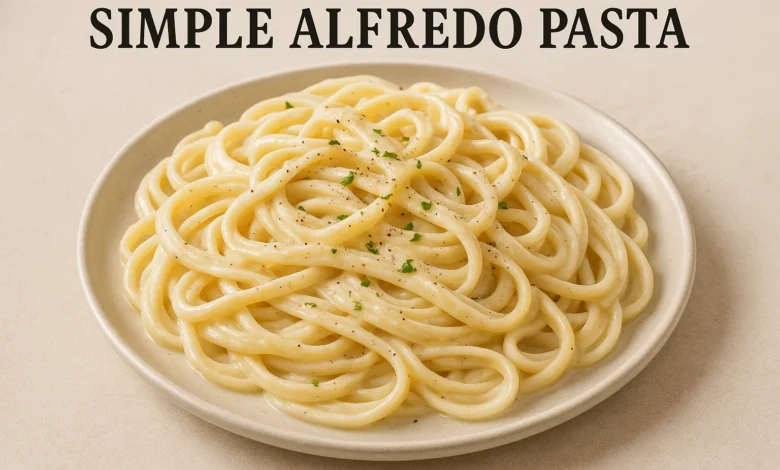
If you’re craving restaurant-quality Italian comfort food without the hassle, this simple alfredo pasta recipe is your answer. Made with just six basic ingredients and ready in under 20 minutes, this creamy alfredo sauce transforms ordinary pasta into an indulgent meal that rivals any upscale Italian restaurant.
Whether you’re a beginner cook or a seasoned home chef, this easy alfredo recipe delivers rich, velvety results every single time. No cream of mushroom soup shortcuts here—just authentic, buttery goodness that’ll have your family asking for seconds.
Let’s dive into the easiest way to make homemade alfredo pasta that actually tastes like it came from a professional kitchen.
Why This Simple Alfredo Pasta Recipe Works
The Secret to Perfect Creamy Sauce
What makes this simple alfredo pasta recipe stand out? The technique. Traditional alfredo sauce requires only butter, heavy cream, and Parmesan cheese, but the magic happens in how you combine them.
The key is emulsification—slowly incorporating the ingredients while maintaining the right temperature. This creates a smooth, clingy sauce that coats every strand of fettuccine perfectly.
Benefits of this recipe:
- Ready in 20 minutes from start to finish
- Uses pantry-friendly ingredients you likely have on hand
- No complicated techniques or special equipment needed
- Easily customizable with proteins and vegetables
- Kid-friendly and crowd-pleasing every time
Unlike jarred alfredo sauce loaded with preservatives and artificial flavors, this homemade version gives you complete control over ingredients and taste.
Ingredients You’ll Need for Simple Alfredo Pasta
Main Ingredients
Before you start cooking, gather these simple ingredients:
For the pasta:
- 1 pound fettuccine pasta (or any long pasta like linguine or spaghetti)
- 1 tablespoon salt for pasta water
For the alfredo sauce:
- 1/2 cup (1 stick) unsalted butter
- 2 cups heavy cream (heavy whipping cream works best)
- 2 cups freshly grated Parmesan cheese (about 8 ounces)
- 3-4 cloves garlic, minced
- 1/2 teaspoon black pepper
- 1/4 teaspoon nutmeg (optional but recommended)
- Salt to taste
- Fresh parsley for garnish
Pro Tips for Ingredient Selection
Cheese matters: Always use freshly grated Parmesan cheese, not the pre-grated kind. Pre-shredded cheese contains anti-caking agents that prevent smooth melting and can make your sauce grainy.
Butter quality: Real butter makes a difference. European-style butter with higher fat content creates an even richer sauce.
Pasta choice: While fettuccine is traditional, this creamy sauce works beautifully with penne, rigatoni, or even homemade pasta.
Step-by-Step Instructions: How to Make Simple Alfredo Pasta
Step 1: Cook the Pasta
Fill a large pot with water and add a generous tablespoon of salt. Bring to a rolling boil over high heat.
Add your fettuccine and cook according to package directions until al dente—usually 8-10 minutes. Al dente means the pasta has a slight bite and isn’t mushy.
Important: Before draining, reserve 1 cup of starchy pasta water. This liquid gold helps adjust sauce consistency later.
Drain the pasta but don’t rinse it. The starch helps the sauce cling better.
Step 2: Prepare the Alfredo Sauce
While the pasta cooks, start your sauce:
Heat a large skillet or sauté pan over medium heat. Add the butter and let it melt completely, swirling to coat the pan.
Add minced garlic and sauté for 30-60 seconds until fragrant. Watch carefully—burnt garlic tastes bitter.
Pour in the heavy cream and stir continuously. Let it simmer gently for 3-4 minutes, allowing it to thicken slightly. You’ll notice the cream reduces and coats the back of your spoon.
Step 3: Add the Cheese
This is where the magic happens. Reduce heat to low.
Gradually add the grated Parmesan cheese, about 1/2 cup at a time, stirring constantly. Let each addition melt completely before adding more.
This gradual method prevents clumping and ensures a silky-smooth texture. If you dump all the cheese in at once, you’ll end up with a grainy, separated sauce.
Season with black pepper and a pinch of nutmeg. The nutmeg adds subtle warmth without being detectable.
Step 4: Combine Pasta and Sauce
Add the drained fettuccine directly to your alfredo sauce. Using tongs, toss the pasta in the sauce until every strand is beautifully coated.
If the sauce seems too thick, add reserved pasta water a few tablespoons at a time until you reach your desired consistency. The starch in the pasta water helps the sauce adhere and creates a glossy finish.
Taste and adjust seasoning with salt if needed. Remember, Parmesan is already salty, so you may not need much.
Step 5: Serve Immediately
Transfer to serving plates or a large pasta bowl. Garnish with extra grated Parmesan, fresh cracked black pepper, and chopped fresh parsley.
Alfredo sauce thickens as it sits, so serve immediately for the best texture and creamiest experience.
Variations and Add-Ins for Your Alfredo Pasta
Protein Options
Transform this side dish into a complete meal with these additions:
Chicken Alfredo: Add 1-2 cups grilled or pan-seared chicken breast, sliced into strips. This is probably the most popular variation and turns your pasta into a protein-packed dinner.
Shrimp Alfredo: Sauté 1 pound of peeled shrimp with garlic until pink. Add to your finished pasta for an elegant seafood dish.
Bacon or Pancetta: Crispy bacon bits add smoky, salty crunch that complements the creamy sauce perfectly.
Vegetable Additions
Boost nutrition and color with these veggie options:
- Steamed or roasted broccoli florets
- Sautéed mushrooms (button, cremini, or shiitake)
- Fresh or frozen peas
- Sun-dried tomatoes for tangy sweetness
- Roasted red peppers
- Fresh spinach wilted into the sauce
Flavor Twists
Experiment with these flavor variations:
Lemon Alfredo: Add zest and juice of one lemon for a bright, fresh twist that cuts through the richness.
Cajun Alfredo: Stir in 1-2 tablespoons of Cajun seasoning for a spicy kick.
Truffle Alfredo: Drizzle truffle oil just before serving for an luxurious, earthy flavor.
Common Mistakes to Avoid
Why Did My Sauce Break or Separate?
If your alfredo sauce looks curdled or oily, these are the usual culprits:
Too much heat: High heat causes the cheese proteins to seize and separate from the fat. Always keep heat on low once you add cheese.
Wrong cheese: Pre-shredded Parmesan or low-quality cheese won’t melt smoothly. Invest in a block of real Parmigiano-Reggiano.
Adding cheese too quickly: Patience is key. Add cheese gradually and stir constantly.
How to Fix a Broken Sauce
If disaster strikes, don’t panic. Add 2-3 tablespoons of warm pasta water and whisk vigorously. The starch helps re-emulsify the sauce and bring it back together.
Avoiding Grainy Texture
Fresh Parmesan and low heat are non-negotiable. Pre-grated cheese contains cellulose that prevents smooth melting. Take the extra two minutes to grate your own—it makes all the difference.
Storage and Reheating Tips
Storing Leftover Alfredo Pasta
Transfer cooled pasta to an airtight container and refrigerate for up to 3 days. The sauce will thicken considerably in the fridge—this is normal.
Freezing: Alfredo sauce can be frozen for up to 2 months, though the texture may be slightly grainy upon thawing. Freeze the sauce separately from the pasta for best results.
How to Reheat Alfredo Pasta
Stovetop method (best): Place pasta in a skillet over low heat. Add a splash of milk, cream, or pasta water and stir gently until heated through and creamy again.
Microwave method: Heat in 30-second intervals, stirring between each, and add liquid to restore creaminess.
Avoid high heat when reheating, or your sauce will separate again.
Nutritional Information
Per serving (based on 6 servings):
- Calories: 620
- Total Fat: 38g
- Saturated Fat: 23g
- Cholesterol: 115mg
- Sodium: 480mg
- Carbohydrates: 52g
- Protein: 18g
Note: This is an indulgent dish meant for occasional enjoyment. To lighten it up, you can substitute half the heavy cream with whole milk and reduce butter slightly.
Conclusion
This simple alfredo pasta recipe proves that restaurant-quality Italian food doesn’t require culinary school or expensive ingredients. With just butter, cream, Parmesan, and a few minutes of your time, you can create a creamy, indulgent pasta dish that impresses every time.
The beauty of homemade alfredo lies in its versatility. Start with this basic recipe, then customize it with your favorite proteins, vegetables, and seasonings. Once you master the technique of making smooth, velvety sauce, you’ll never go back to jarred versions again.
Remember the key principles: use quality ingredients, add cheese gradually over low heat, and don’t be afraid to adjust consistency with pasta water. With these simple guidelines, perfect alfredo pasta is just 20 minutes away.
Ready to get cooking? Grab your ingredients, heat up that pot of water, and prepare to enjoy the creamiest, most delicious homemade alfredo pasta you’ve ever made. Your taste buds will thank you!
Have you tried this simple alfredo pasta recipe? Share your results and favorite variations in the comments below!
FAQs
Q Can I use milk instead of heavy cream for alfredo sauce?
While heavy cream creates the richest, most authentic alfredo sauce, you can use whole milk in a pinch. However, the sauce won’t be as thick or creamy. To compensate, add an extra tablespoon of butter and a tablespoon of flour to help thicken the sauce.
Q What pasta shape works best for this simple alfredo pasta recipe?
Fettuccine is traditional, but this sauce works beautifully with any pasta. Long pastas like linguine, spaghetti, or pappardelle are excellent choices. Shorter pastas like penne, rigatoni, or farfalle also work well and are easier for kids to eat.
Q Can I make alfredo sauce ahead of time?
You can make the sauce up to 2 days ahead and store it separately from the pasta. Reheat gently on the stovetop with a splash of cream or milk, stirring constantly. For best results though, alfredo sauce is always better fresh.
Q Is alfredo sauce gluten-free?
The sauce itself is naturally gluten-free since it contains only butter, cream, and cheese. Just use gluten-free pasta, and you have a completely gluten-free meal.
Q Why is my alfredo sauce watery?
If your sauce seems thin, it likely needs more time to simmer and reduce. Let the cream cook for an extra 2-3 minutes before adding cheese. Also, make sure you’re using heavy cream, not half-and-half or milk. Adding cheese gradually helps thicken the sauce as well.
Read More: 10 Easy Seafood Dinner Recipes | Quick & Delicious Meals