International Travel in Pakistan Hidden Gems Await
International Travel in Pakistan stunning landscapes, rich culture, and unforgettable travel destinations.


International travel in Pakistan offers adventurers an extraordinary journey through one of the world’s most diverse and culturally rich destinations. International Travel in Pakistan: From the towering peaks of the Himalayas to the ancient civilisations of the Indus Valley, Pakistan presents a tapestry of experiences that captivate travellers from around the globe. This comprehensive guide will help international visitors navigate the complexities of travelling to Pakistan, ensuring you make the most of your visit to this remarkable South Asian nation. Whether you’re seeking adventure in the northern mountains, exploring historical sites, or immersing yourself in vibrant local culture, Pakistan promises memories that will last a lifetime.
Essential Requirements for International Travel in Pakistan
Visa and Documentation Process
Before embarking on your international travel adventure in Pakistan, understanding visa requirements is crucial. Most international visitors need a visa to enter Pakistan, with specific requirements varying by nationality. The Pakistani government has simplified the process through online visa applications for many countries.
Tourist visas are typically valid for 30 days and can be extended. Business visas offer longer durations for those travelling for commercial purposes. Always ensure your passport has at least six months of validity remaining and multiple blank pages for entry stamps.
Health and Safety Preparations
International travellers should consult healthcare providers about recommended vaccinations before visiting Pakistan. Common recommendations include hepatitis A and B, typhoid, and routine vaccinations. Malaria prophylaxis may be necessary for certain regions, particularly during monsoon seasons.
Travel insurance is strongly recommended for all international visitors. Pakistan’s healthcare system varies significantly between urban and rural areas, making comprehensive coverage essential for peace of mind.
Top Destinations: International Travel in Pakistan
Northern Pakistan: The Adventure Capital
Northern Pakistan stands as the crown jewel for international travel enthusiasts seeking adventure and natural beauty. The region hosts some of the world’s highest peaks, including K2, the second-highest mountain globally.
Hunza Valley offers breathtaking landscapes with ancient forts, apricot orchards, and the famous Rakaposhi peak. The valley provides excellent opportunities for trekking, cultural exchanges with local communities, and photography.
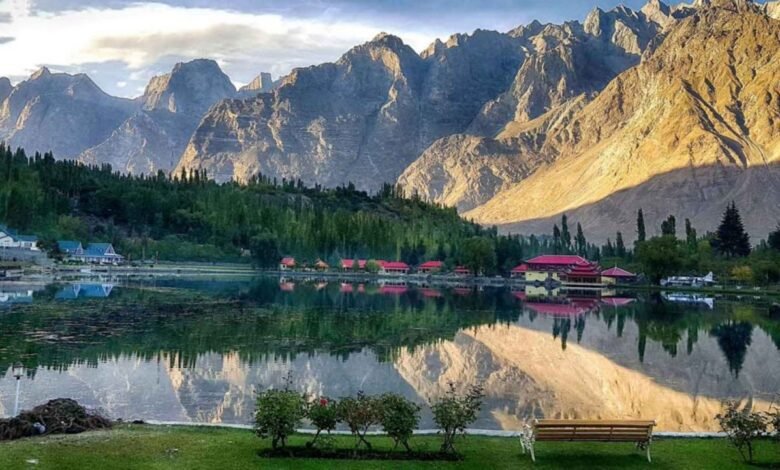
Skardu serves as the gateway to major mountaineering expeditions. International travellers flock here for its stunning lakes, including Shangrila Resort and Satpara Lake, along with access to Baltoro Glacier treks.
Cultural Heritage Sites
Lahore, Pakistan’s cultural capital, showcases International Travel in Pakistan through Mughal architecture, with landmarks such as the Badshahi Mosque, Lahore Fort, and Shalimar Gardens. The city’s vibrant food scene and bustling bazaars offer authentic Pakistani experiences for international visitors.
Karachi, the largest metropolis, blends modern urban life with colonial architecture. Clifton Beach, the National Museum, and the historic Empress Market provide diverse experiences for international travellers.
Ancient Civilisations and Archaeological Wonders
Mohenjo-daro, a UNESCO World Heritage site, offers glimpses into the Indus Valley Civilisation dating back 4,500 years. This archaeological marvel attracts history enthusiasts from worldwide, making it a must-visit destination for cultural tourism.
Taxila presents its Buddhist heritage through ancient monasteries, stupas, and museums that showcase Gandhara art. International visitors interested in Buddhist history find Taxila particularly fascinating.
Transportation and Getting Around

International travel in Pakistan becomes more manageable with proper transportation planning. Major airports in Karachi, Lahore, and Islamabad connect Pakistan to global destinations through various international carriers.
Domestic transportation includes flights, trains, and road networks. The newly improved motorway system connects major cities efficiently. For remote areas, especially in northern regions, four-wheel-drive vehicles or local transportation arrangements become necessary.
Pakistan Railways offers scenic routes, particularly the journey from Karachi to Peshawar, providing international travellers with opportunities to witness diverse landscapes and interact with locals.
Cultural Etiquette and Local Customs
Understanding Pakistani culture significantly enhances international travel experiences. Pakistan is an Islamic republic where respect for local customs and traditions is appreciated by host communities.
Dress modestly, particularly when visiting religious sites or rural areas. Women should consider wearing loose-fitting clothing that covers arms and legs. Men should avoid shorts in conservative areas.
Friday prayers are significant religious observances. Many businesses close during prayer times, so planning activities around these schedules proves helpful for international visitors.
Hospitality is deeply ingrained in Pakistani culture. Locals often invite international travellers for tea or meals, providing authentic cultural exchanges and lasting memories.
Food and Culinary Experiences
Pakistani cuisine offers international travellers an explosion of flavours through regional specialities. Each province presents distinct culinary traditions influenced by Central Asian, Persian, and Indian cooking styles.
Biryani, kebabs, and karahi represent popular dishes found throughout the country. Street food culture thrives in major cities, offering affordable and delicious options for adventurous international visitors.
Vegetarian options are available, though meat dishes dominate most menus. International travellers with dietary restrictions should communicate clearly with restaurant staff or consider staying in accommodations with kitchen facilities.
Budget Planning for International Visitors
Pakistan offers excellent value for international travel budgets. Accommodation ranges from budget guesthouses to luxury hotels, with most international visitors finding comfortable mid-range options readily available.
Food costs remain exceptionally affordable, especially local cuisine. Transportation costs vary depending on chosen methods, with domestic flights being more expensive than trains or buses.
Entry fees for major tourist attractions are nominal, making cultural and historical site visits accessible to all budgets.
Conclusion
International travel in Pakistan opens doors to extraordinary experiences combining natural beauty, rich history, and warm hospitality. From the majestic peaks of the Himalayas to the bustling streets of ancient cities, Pakistan offers something special for every type of traveller.
The country’s improving infrastructure, growing focus on tourism, and incredible value proposition make it an ideal destination for international visitors seeking authentic and memorable experiences. Whether you’re planning a cultural exploration, an adventure expedition, or a historical journey, Pakistan’s diverse offerings ensure your travel dreams become a reality.
Start planning your international travel to Pakistan today by researching destinations that match your interests, obtaining the necessary documentation, and connecting with local tour operators who can help you create your perfect Pakistani adventure.
FAQs
Q: Is Pakistan safe for international travel?
Pakistan has significantly improved its security situation in recent years. Major tourist areas, particularly northern regions, are generally safe. Following government travel advisories and using reputable tour operators enhances safety for international visitors.
Q: What’s the best time for international travel in Pakistan?
October to April offers ideal weather conditions for most regions. Northern areas are best visited between May and September when mountain passes remain open and weather conditions are favourable for trekking and sightseeing.
Q: Do I need special permits for certain areas in Pakistan?
Some northern regions and border areas require special permits. These are typically arranged through registered tour operators or local authorities. Popular tourist destinations usually don’t require additional permits beyond standard visas.
Q: Can international travellers use credit cards in Pakistan?
Major cities and tourist areas accept international credit cards, though cash remains preferred for smaller establishments and rural areas. ATMs are widely available in urban centres.
Q: What languages are spoken in Pakistan for international visitors?
Urdu serves as the national language, while English is widely understood in major cities and tourist areas. Regional languages vary by province, but most hospitality industry professionals communicate effectively in English.