2026 Interior Design Colors Trending Palettes & Expert Tips
2026 Interior Design Colors Trending. From earthy neutrals to bold statement hues, learn which colors will dominate home decor this year.


The world of interior design is constantly evolving, and as we move deeper into 2026, a fresh palette of colors is emerging that promises to transform living spaces across the globe. This year’s color trends reflect a collective desire for comfort, connection to nature, 2026 Interior Design Colors Trending: and bold self-expression. Whether you’re planning a complete home renovation or simply looking to refresh a single room, understanding which colors will dominate interior design in 2026 can help you create spaces that feel both current and timeless.
The upcoming year’s color palette represents a fascinating departure from the cool grays and stark whites that dominated the previous decade. Instead, we’re seeing a shift toward warmer, more nurturing tones that create inviting atmospheres while still maintaining sophistication. From deep, grounding earth tones to surprisingly vibrant accent colors, the 2026 interior design trends offer something for every aesthetic preference. These colors aren’t just fleeting fads—they represent a deeper cultural shift toward creating homes that serve as true sanctuaries from our increasingly digital world.
Understanding these trending colors isn’t just about staying fashionable; it’s about making informed decisions that will keep your home feeling fresh and relevant for years to come. Let’s explore the specific hues that design experts predict will be everywhere in interior spaces throughout 2026.
Warm Terracotta and Clay Tones Take Center Stage
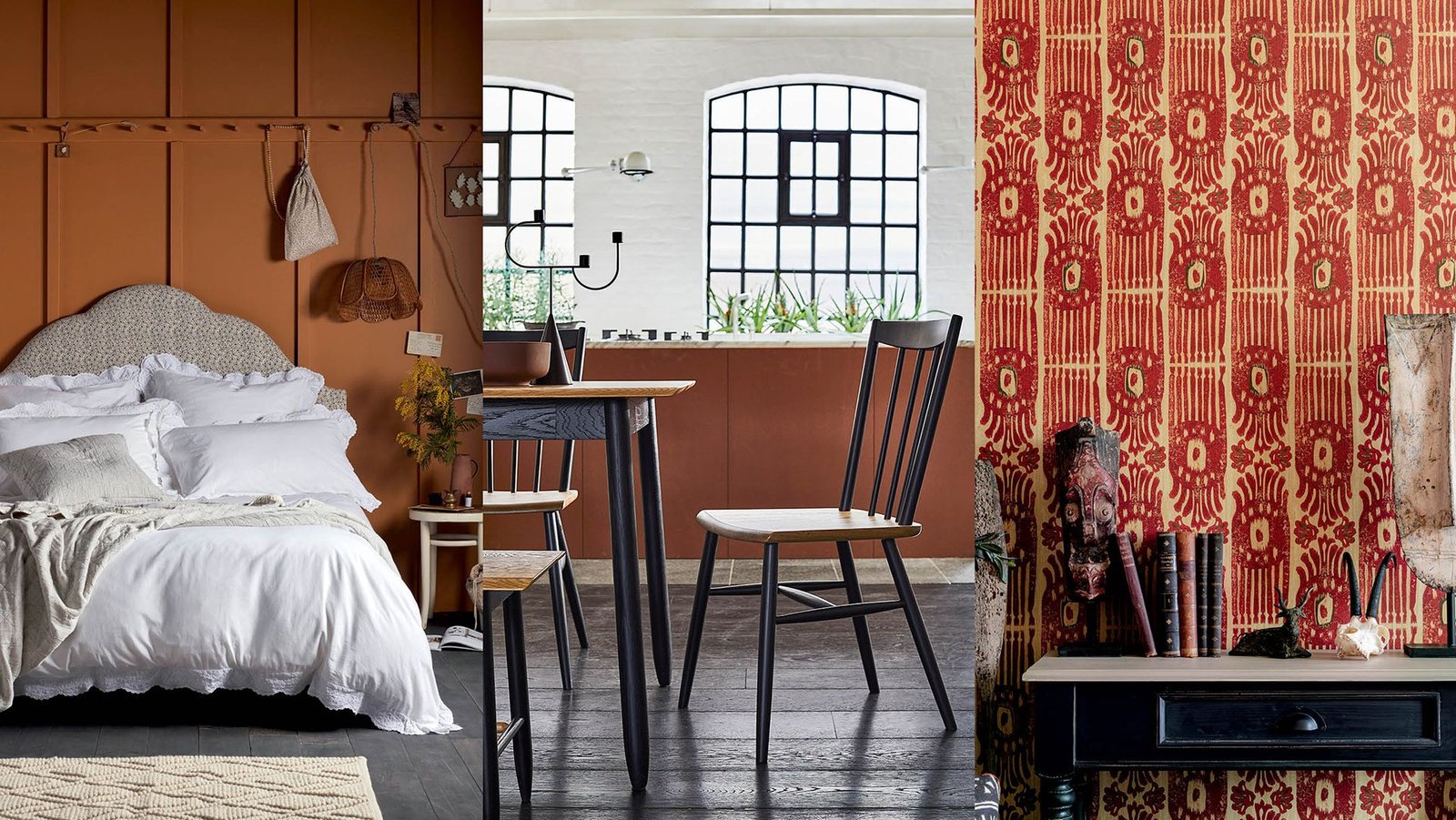
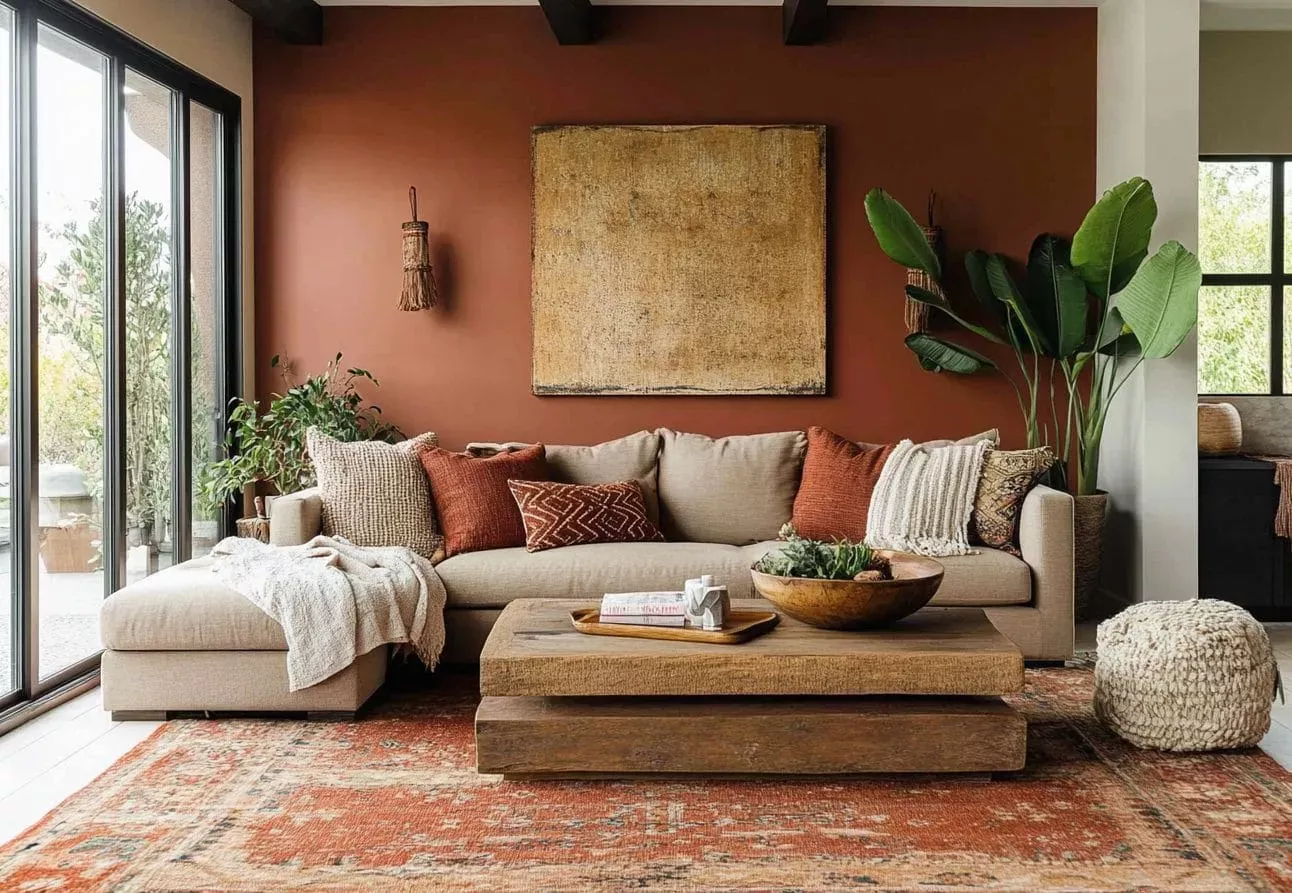
Terracotta and clay-inspired colors are experiencing a major resurgence in 2026, and it’s easy to understand why. These earthy, grounding tones bring warmth and authenticity to any space while connecting us to ancient building traditions and natural materials. Unlike the cooler terracottas of previous years, the 2026 iteration leans slightly more toward burnt orange with subtle pink undertones, creating a more sophisticated and versatile shade.
These warm earth tones work beautifully as both wall colors and accent pieces. In living rooms, a terracotta accent wall can create a stunning focal point that pairs perfectly with natural wood furniture and woven textiles. Kitchen designers are incorporating these shades through cabinetry, backsplashes, and even appliances, moving away from the all-white kitchens that have dominated for so long.
The beauty of clay colors lies in their incredible versatility. They complement both modern minimalist spaces and more traditional, layered interiors. When paired with crisp white trim and natural materials like jute, linen, and wood, these tones create a warm, inviting atmosphere that feels collected rather than decorated. For those hesitant to commit to terracotta walls, incorporating the shade through smaller elements like throw pillows, pottery, or artwork can provide that same earthy warmth without the long-term commitment.
Sophisticated Sage: 2026 Interior Design Colors Trending
Green has been building momentum in Interior design trends for several years, but 2026 sees this color family reaching new heights of popularity. Specifically, sage green and other muted, dusty greens are appearing in homes everywhere, from urban apartments to suburban houses. These aren’t the bright, energetic greens of the past—instead, they’re sophisticated, grayed-down versions that bring the calming essence of nature indoors without overwhelming a space.
Muted green tones have a remarkable ability to create serene, spa-like environments, particularly in bedrooms and bathrooms. These colors promote relaxation and have been shown to reduce stress, making them ideal for spaces dedicated to rest and rejuvenation. Interior designers are using sage on everything from kitchen cabinetry to bedroom walls, often pairing it with warm wood tones and brass fixtures for a look that feels both contemporary and timeless.
What makes these green hues particularly appealing is their neutrality. They serve almost as a new neutral, providing color without dominating a space. This quality makes sage and muted greens excellent choices for open-concept homes where you want continuity without monotony. They also photograph beautifully in natural light, which explains their popularity on social media platforms where homeowners share their interior design inspiration.
Deep, Moody Blues for Dramatic Impact
While softer colors dominate much of the 2026 palette, there’s also a strong trend toward deep, moody blues that add drama and sophistication to interior spaces. Think navy, midnight blue, and even deeper indigo shades that create intimate, cocooning environments. These rich blue tones are appearing in unexpected places—dining rooms, home offices, and even kitchens—where they provide a striking alternative to traditional neutrals.
Dark blue works particularly well in rooms with ample natural light, where the depth of color can be fully appreciated without making the space feel closed-in. When used in smaller rooms or spaces with limited windows, pairing these blues with plenty of white trim, mirrors, and metallic accents can maintain a sense of openness while still delivering that dramatic impact.
The psychology behind these blue shades is compelling. Blue is associated with calmness, productivity, and creativity, making it an excellent choice for home offices and creative spaces. In dining rooms, deep blues create an elegant, restaurant-like atmosphere that makes everyday meals feel more special. Interior designers are also using these colors on ceilings—often called the “fifth wall”—to add unexpected visual interest and make rooms feel more intimate and thoughtfully designed.
Warm Neutrals: Caramel, Honey, and Butterscotch
The neutral palette for 2026 has shifted decidedly warmer, with colors like caramel, honey, and butterscotch replacing the cool grays that dominated the 2010s. These warm beiges and golden tones create spaces that feel inherently welcoming and comfortable, wrapping rooms in a gentle, sun-kissed glow regardless of the actual weather outside.
These warm neutrals serve as excellent base colors for entire homes, providing a cohesive backdrop that allows furniture, artwork, and accessories to shine. Unlike stark white or cool gray, which can sometimes feel sterile, these warmer tones add character and depth even before any furnishings are added. They also have the advantage of working beautifully with both warm and cool accent colors, making them incredibly versatile for homeowners who like to change their décor seasonally.
Caramel and honey tones are particularly popular in bedrooms and living spaces, where their cozy quality enhances the room’s function as a retreat. These colors also pair exceptionally well with natural materials and textures—think leather, velvet, wood, and stone—creating layered, tactile spaces that feel sophisticated yet approachable. For those transitioning from cooler gray palettes, these warm beiges offer a gentle update that doesn’t require completely reimagining your existing décor.
Bold Burgundy and Wine Tones
Burgundy and wine-colored accents are making a strong statement in 2026 interior design, particularly in dining rooms, bedrooms, and home bars. These sophisticated red tones bring richness and luxury to spaces without the aggressive energy of brighter reds. They work particularly well in traditional and transitional interiors but can also add unexpected depth to modern spaces when used thoughtfully.
Deep red hues create intimate, jewel-box-like environments that feel both elegant and comfortable. In dining rooms, burgundy walls or drapery create a restaurant-quality atmosphere that makes entertaining at home feel special. Bedrooms featuring these colors feel luxurious and cocooning, promoting restful sleep while maintaining visual interest.
The key to successfully incorporating burgundy and wine colors is balance. These are strong colors that work best when paired with plenty of neutral elements and good lighting. Brass and gold fixtures complement these tones beautifully, as do natural wood finishes. For those hesitant about full walls in these shades, introducing them through upholstery, window treatments, or artwork can provide that same sense of luxury in smaller doses.
Soft Blush and Dusty Rose
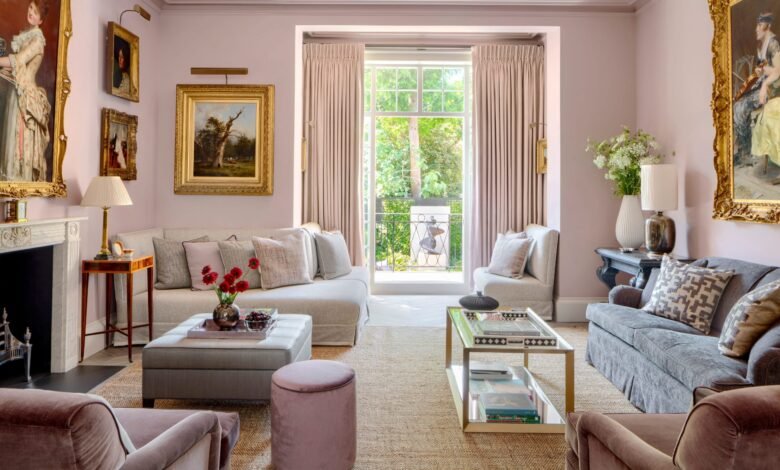
Blush pink and dusty rose tones continue their reign in 2026, though they’ve evolved from the cooler, grayer versions popular in recent years. The current iteration leans slightly warmer and more peachy, creating a color that feels fresh rather than overly romantic or feminine. These soft pink shades are appearing in unexpected places, from kitchens to home offices, proving their versatility beyond traditional bedroom applications.
What makes dusty rose so appealing is its ability to create warmth and softness without reading as overtly colorful. It serves almost as an alternative neutral, providing subtle color that doesn’t compete with other design elements. These tones work beautifully with brass fixtures, marble surfaces, and both light and dark wood tones, making them remarkably adaptable to various design styles.
Interior designers are using these pink hues to create sophisticated, grown-up spaces that feel current without being trendy. In bathrooms, dusty rose tiles or painted cabinetry create spa-like environments. In living spaces, these colors add warmth without the heaviness of deeper tones. They also photograph beautifully, which contributes to their continued popularity in an era where homeowners regularly share their spaces on social media.
Charcoal and Sophisticated Dark Grays
While lighter grays have fallen somewhat out of favor, charcoal and deep grays are having their moment in 2026. These are sophisticated, almost black grays that provide the drama and moodiness people want without the maintenance concerns that can come with true black. These dark neutral colors ground spaces and create a sense of architectural interest even in homes without significant architectural details.
Charcoal gray works particularly well in modern and industrial-inspired spaces, but it can also add unexpected sophistication to traditional homes when paired with classic moldings and traditional furnishings. The key is ensuring adequate lighting—both natural and artificial—to prevent these darker tones from feeling oppressive.
These deep grays are appearing on accent walls, kitchen islands, exterior doors, and even entire exteriors of homes. They provide excellent contrast for white trim and cabinetry while serving as a perfect backdrop for colorful artwork and accessories. For homeowners who love the sleek look of black but worry it might be too intense, these sophisticated charcoals offer the perfect compromise.
Creamy Whites with Warm Undertones
White isn’t going anywhere in interior design, but the whites popular in 2026 are noticeably warmer than the stark, cool whites of previous years. These creamy whites have subtle yellow, pink, or beige undertones that create a softer, more inviting version of the classic white room. They maintain the brightness and airiness people love about white spaces while adding a touch of warmth that makes them feel more livable.
These warm whites work beautifully throughout the entire home, from kitchen cabinetry to bedroom walls. They’re particularly effective in homes with limited natural light, where cooler whites can appear dingy or gray. The subtle warmth in these shades also means they coordinate beautifully with the other trending colors of 2026, including terracottas, sages, and warm neutrals.
Professional painters note that choosing the right white has never been more important, as the undertones can dramatically affect how other colors in a space appear. These warmer whites complement natural wood tones and warm metallics particularly well, creating cohesive, harmonious spaces that feel thoughtfully designed rather than simply defaulting to white.
Conclusion
The color trends for 2026 represent a thoughtful shift toward warmth, nature, and personal expression in our living spaces. From the grounding presence of terracotta and clay tones to the sophisticated drama of deep blues and burgundies, these colors offer something for every taste and design aesthetic. The common thread running through all these trends is a movement away from the cool, minimalist palettes of the past decade toward colors that create warmth, comfort, and genuine personality in our homes.
Whether you embrace these trends through a complete room makeover or simply incorporate them through accessories and accent pieces, understanding the 2026 color palette empowers you to make design decisions that will keep your home feeling current and relevant. Remember, the best color choices are those that resonate with your personal style while creating the atmosphere you want in your space. These trending colors provide excellent starting points, but your home should ultimately reflect your unique taste and lifestyle.
FAQs
Q: How do I choose which 2026 color trend is right for my home?
Consider your home’s natural lighting, existing furnishings, and the mood you want to create in each space. Start with smaller commitments like accessories or accent walls before painting entire rooms. Test paint samples in different lighting conditions before making final decisions. Your personal preference should always guide your choices, regardless of trends.
Q: Can I mix multiple trending colors in one room?
Absolutely! The key is choosing colors with similar undertones or intensity levels. For example, sage green pairs beautifully with warm terracotta and creamy whites. Use the 60-30-10 rule: 60% dominant color, 30% secondary color, and 10% accent color for balanced, professional-looking results.
Q: Are these color trends suitable for small spaces?
Yes, though application matters. Lighter tones like sage, blush, and warm whites work well throughout small spaces. Use deeper colors like navy or burgundy strategically on accent walls or through furnishings to avoid overwhelming compact rooms. Proper lighting ensures even deep colors work in smaller areas.
Q: How long will these color trends remain current?
These colors represent shifts toward warmer, more natural palettes that tend to have longer lifespans than trendy accent colors. Most should remain relevant for 3-5 years or longer, particularly the warm neutrals and nature-inspired tones, which have timeless appeal.
Q: What’s the most cost-effective way to incorporate these trending colors?
Start with accessories, textiles, and artwork, which are easily changeable and less expensive than painting or renovating. Throw pillows, curtains, rugs, and decorative objects in trending colors can transform a space without major investment. When you’re ready for more commitment, paint is relatively inexpensive and highly impactful.