
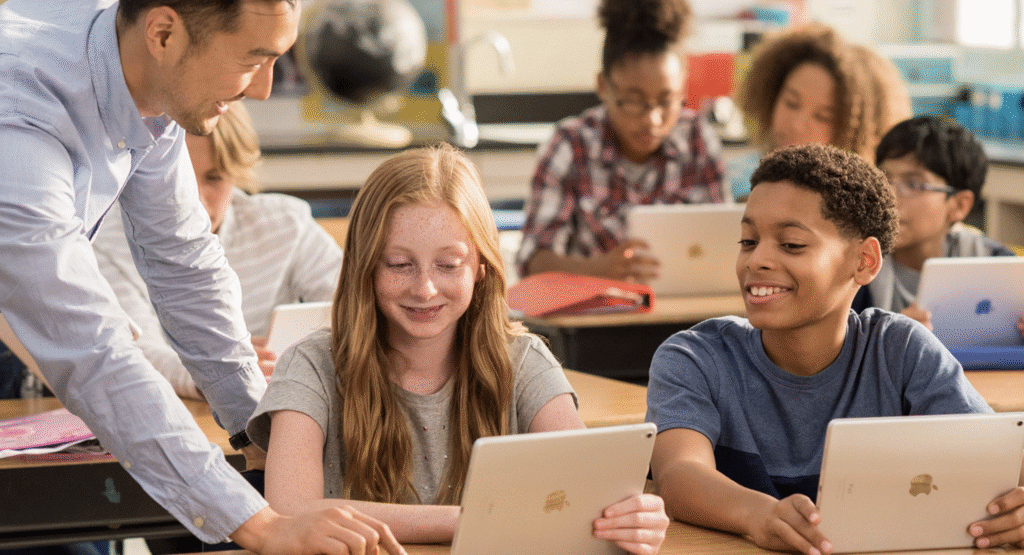
The importance of technology in education has never been more evident than in today’s rapidly evolving digital landscape. As we navigate through the 21st century, educational institutions worldwide are recognizing that integrating technology into learning environments isn’t just beneficial—it’s essential for student success.
Technology has fundamentally transformed how students learn, teachers instruct, and educational institutions operate. From interactive whiteboards replacing traditional blackboards to AI-powered learning platforms personalizing education for individual students, the educational sector has embraced technological innovation at an unprecedented pace. This digital revolution in education extends beyond mere convenience; it addresses critical learning gaps, enhances accessibility, and prepares students for a technology-driven workforce.
The Fundamental Role of Technology in Modern Education
Enhancing Student Engagement and Participation
Traditional teaching methods often struggle to capture and maintain student attention in our digital age. Technology in education solves this challenge by creating interactive, immersive learning experiences that naturally align with how modern students process information.
Digital tools like virtual reality (VR) applications transport students to ancient civilizations or inside the human body, making abstract concepts tangible and memorable. Interactive simulations allow students to experiment with complex scientific phenomena safely, while gamification elements transform routine lessons into engaging challenges that motivate continued learning.
Educational apps and platforms provide immediate feedback, helping students understand their progress and identify areas needing improvement. This real-time assessment capability keeps students actively involved in their learning journey rather than passively absorbing information.
Also, More: EV Battery Recycling Technology A Key to Sustainable Mobility
Personalized Learning Experiences
One of the most significant advantages technology brings to education is the ability to customize learning experiences for individual students. Adaptive learning platforms use sophisticated algorithms to analyze student performance patterns and adjust content difficulty accordingly.Students who grasp concepts quickly can access advanced materials to prevent boredom, while those needing additional support receive targeted remediation resources.
This personalized approach ensures no student falls behind or feels unchallenged, addressing diverse learning styles and paces within a single classroom. Machine learning technologies can identify specific learning patterns and suggest optimal study methods for each student, whether they’re visual, auditory, or kinesthetic learners. This individualized approach maximizes learning efficiency and improves overall academic outcomes.
How Technology Transforms Teaching Methods

Importance of technology in education: Technology has democratized access to educational resources on a global scale. Students in remote areas can now access the same high-quality educational content as their urban counterparts through online platforms and digital libraries. Cloud-based learning management systems (LMS) ensure students can access course materials, submit assignments, and participate in discussions from anywhere with internet connectivity.
This flexibility has proven invaluable, particularly during disruptions like the global pandemic, when traditional classroom learning became impossible. Digital textbooks and online resources often cost significantly less than traditional materials while offering enhanced features like search functionality, multimedia integration, and regular updates. Students with disabilities benefit enormously from accessibility features like screen readers, voice-to-text software, and adjustable display settings.
Collaborative Learning Opportunities
Technology facilitates collaboration among students regardless of geographical boundaries. Online discussion forums, shared digital workspaces, and video conferencing tools enable group projects and peer learning opportunities that extend beyond physical classroom limitations.
Students can collaborate on documents in real-time, share research findings instantly, and provide peer feedback through digital platforms. These collaborative skills directly translate to modern workplace requirements, where remote teamwork and digital communication are increasingly common.
Virtual exchange programs allow students to interact with peers from different cultures and countries, broadening their global perspective and cultural understanding without the financial burden of international travel.
The Importance of Technology in Education for Teacher Development
Professional Development and Training
Educational technology doesn’t just benefit students; it provides teachers with powerful tools for professional growth and instructional improvement. Online training platforms offer educators opportunities to learn new teaching methodologies, explore emerging technologies, and earn continuing education credits from anywhere
Data analytics tools help teachers track student progress more effectively, identifying learning gaps before they become significant problems. This data-driven approach enables more informed instructional decisions and targeted interventions. Digital portfolios allow teachers to document their professional growth, share best practices with colleagues, and reflect on their teaching effectiveness through multimedia evidence of student learning outcomes.
Administrative Efficiency: Importance of technology in education
Technology streamlines administrative tasks that traditionally consumed significant portions of teachers’ time. Automated grading systems handle routine assessments, freeing educators to focus on higher-level instructional planning and student interaction.Digital attendance systems, online gradebooks, and automated parent communication tools reduce paperwork and improve information accuracy. These efficiencies allow teachers to dedicate more time to what matters most: teaching and supporting student learning.
Preparing Students for Future Careers
Digital Literacy Skills: Importance of technology in education
The importance of technology in education extends far beyond academic achievement. Today’s students must develop digital literacy skills to succeed in virtually any career path they choose. Basic computer skills, including proficiency with productivity software, online research capabilities, and digital communication etiquette, are now fundamental requirements in most professions. Students who develop these skills early gain significant advantages in higher education and career opportunities.
More advanced technological skills, such as coding, data analysis, and digital content creation, open doors to high-demand, well-paying careers in technology, healthcare, finance, and numerous other industries.
Critical Thinking and Problem-Solving
Educational technology platforms often present students with complex, real-world problems that require analytical thinking and creative problem-solving approaches. These experiences develop crucial cognitive skills that transfer to academic and professional success. Programming and computational thinking exercises teach students to break down complex problems into manageable components, develop logical solution strategies, and iterate on their approaches based on feedback and results.
Addressing Educational Inequality Through Technology
Bridging the Achievement Gap
Importance of technology in education: Technology has the potential to significantly reduce educational disparities by providing all students with access to high-quality learning resources and experiences. Online courses from prestigious institutions, virtual field trips to world-class museums, and access to expert instructors through video conferencing can level the educational playing field .Schools in underserved communities can leverage technology to provide advanced courses that might not otherwise be available due to budget constraints or teacher shortages. Advanced Placement courses, foreign language instruction, and specialized STEM programs become accessible through online platforms.
Supporting Diverse Learning Needs
Students with learning disabilities, physical disabilities, or other special needs benefit tremendously from assistive technologies and adaptive learning tools. Text-to-speech software helps students with dyslexia, while visual aids and interactive simulations support students with attention difficulties. English language learners can access translation tools, multilingual resources, and culturally relevant content that supports their academic development while maintaining a connection to their cultural heritage.
Challenges and Considerations in Educational Technology Implementation

Benefits of Technology in Classrooms. z Despite technology’s potential to reduce educational inequality, the digital divide remains a significant challenge. Students without reliable internet access or modern devices at home may struggle to complete digital assignments or participate in online learning activities. Schools and policymakers must address infrastructure needs and device accessibility to ensure all students can benefit from educational technology initiatives. One-to-one device programs and community Wi-Fi initiatives represent important steps toward digital equity.
Balancing Screen Time and Traditional Learning
While technology offers numerous educational benefits, maintaining balance remains crucial. Excessive screen time can impact student health and social development, making it essential to integrate technology thoughtfully rather than replacing all traditional learning methods. Effective educational technology implementation combines digital tools with hands-on activities, face-to-face interaction, and physical movement to support holistic student development.
Future Trends in Educational Technology
Artificial Intelligence and Machine Learning
AI-powered educational platforms are becoming increasingly sophisticated, offering even more personalized learning experiences and predictive analytics to identify at-risk students before they struggle academically. Intelligent tutoring systems can provide 24/7 academic support, answering student questions and providing explanations tailored to individual learning styles and comprehension levels.
Virtual and Augmented Reality Applications
VR and AR technologies are creating immersive learning experiences that were previously impossible. Students can explore ancient Rome, manipulate molecular structures, or practice surgical procedures in safe, virtual environments.These technologies are particularly valuable for subjects requiring spatial understanding, historical context, or hands-on practice that may be dangerous or expensive in real-world settings.
Measuring the Impact of Technology in Education
Assessment and Analytics
Modern educational technology provides unprecedented insights into student learning through detailed analytics and assessment data. Teachers can track not just what students know, but how they learn, where they struggle, and what instructional approaches work best.Formative assessment tools provide real-time feedback during learning activities, allowing immediate adjustments to instruction and support. This continuous assessment approach improves learning outcomes compared to traditional testing methods.
Long-term Academic Outcomes
Research consistently demonstrates that thoughtful technology integration improves student achievement across multiple subjects and grade levels. Students in technology-rich environments show increased engagement, improved critical thinking skills, and better preparation for post-secondary education and careers. However, the key lies in implementation quality rather than technology quantity. Schools that focus on pedagogically sound technology integration see greater benefits than those that simply add devices without changing instructional practices.
Conclusion
The importance of technology in education cannot be overstated in our increasingly digital world. From enhancing student engagement and personalizing learning experiences to preparing young minds for future careers, educational technology has become an indispensable tool for 21st-century learning.
As we look toward the future, schools that embrace thoughtful technology integration will provide their students with significant advantages in academic achievement and career preparation. However, success requires more than simply adding devices to classrooms—it demands strategic planning, adequate training, and a commitment to addressing digital equity issues.
Educational leaders, teachers, and policymakers must work together to harness the full potential of technology in education while addressing implementation challenges. By doing so, we can create learning environments that truly prepare students for success in our digital age.
Ready to explore how technology can transform education in your institution? Start by assessing your current technology infrastructure and developing a strategic plan that prioritizes both educational outcomes and digital equity. The importance of technology in education demands action, and the time to act is now.
FAQS
Q: What is the most important benefit of technology in education?
Importance of technology in education. The most significant benefit is personalized learning, which allows education to be tailored to individual student needs, learning styles, and paces, ultimately improving outcomes for all learners.
Q: How does technology help teachers become more effective?
Technology provides teachers with data analytics to track student progress, automates routine tasks like grading, offers professional development opportunities, and enables more engaging instructional methods.
Q: Can technology replace traditional teaching methods completely?
Importance of technology in education: No, technology should supplement rather than replace traditional teaching. The most effective approach combines digital tools with face-to-face interaction, hands-on activities, and proven pedagogical practices.
Q: What challenges do schools face when implementing educational technology?
Importance of technology in education: Major challenges include funding for devices and infrastructure, ensuring teacher training and support, addressing the digital divide, and maintaining a balance between screen time and traditional learning activities.
Q: How does educational technology prepare students for future careers?
Importance of technology in education: Technology develops essential digital literacy skills, teaches problem-solving and critical thinking, provides exposure to emerging technologies, and helps students become comfortable with continuous learning and adaptation.