

In today’s fast-paced world, maintaining a healthy diet often feels like an impossible challenge. Between demanding work schedules, family commitments, and social obligations, finding time to prepare nutritious meals can seem overwhelming. This is where Healthy Meal Prep Ideas becomes your ultimate ally in achieving both health and convenience.
Meal prep ideas aren’t just trendy social media content – they’re practical solutions that can transform your relationship with food and time management. When you dedicate a few hours on weekends to preparing healthy meal prep options, you’re investing in your physical well-being, mental clarity, and financial stability throughout the week.
The benefits of meal prep for busy weeks extend far beyond simple convenience. Studies show that individuals who engage in regular meal preparation consume more fruits, vegetables, and whole grains while reducing their intake of processed foods and restaurant meals. This nutritional upgrade directly impacts energy levels, productivity, and overall health outcomes.
Moreover, weekly meal prep eliminates the daily stress of deciding what to eat, reduces food waste, and significantly cuts down on grocery expenses. When you have healthy prepared meals waiting in your refrigerator, you’re less likely to resort to expensive takeout or unhealthy convenience foods that can derail your wellness goals.
This comprehensive guide presents ten innovative meal prep ideas specifically designed for individuals navigating demanding schedules. Each solution balances nutritional excellence with practical preparation methods, ensuring you never have to compromise your health for the sake of time.
1. Mason Jar Power Salads: Portable Nutrition Perfection
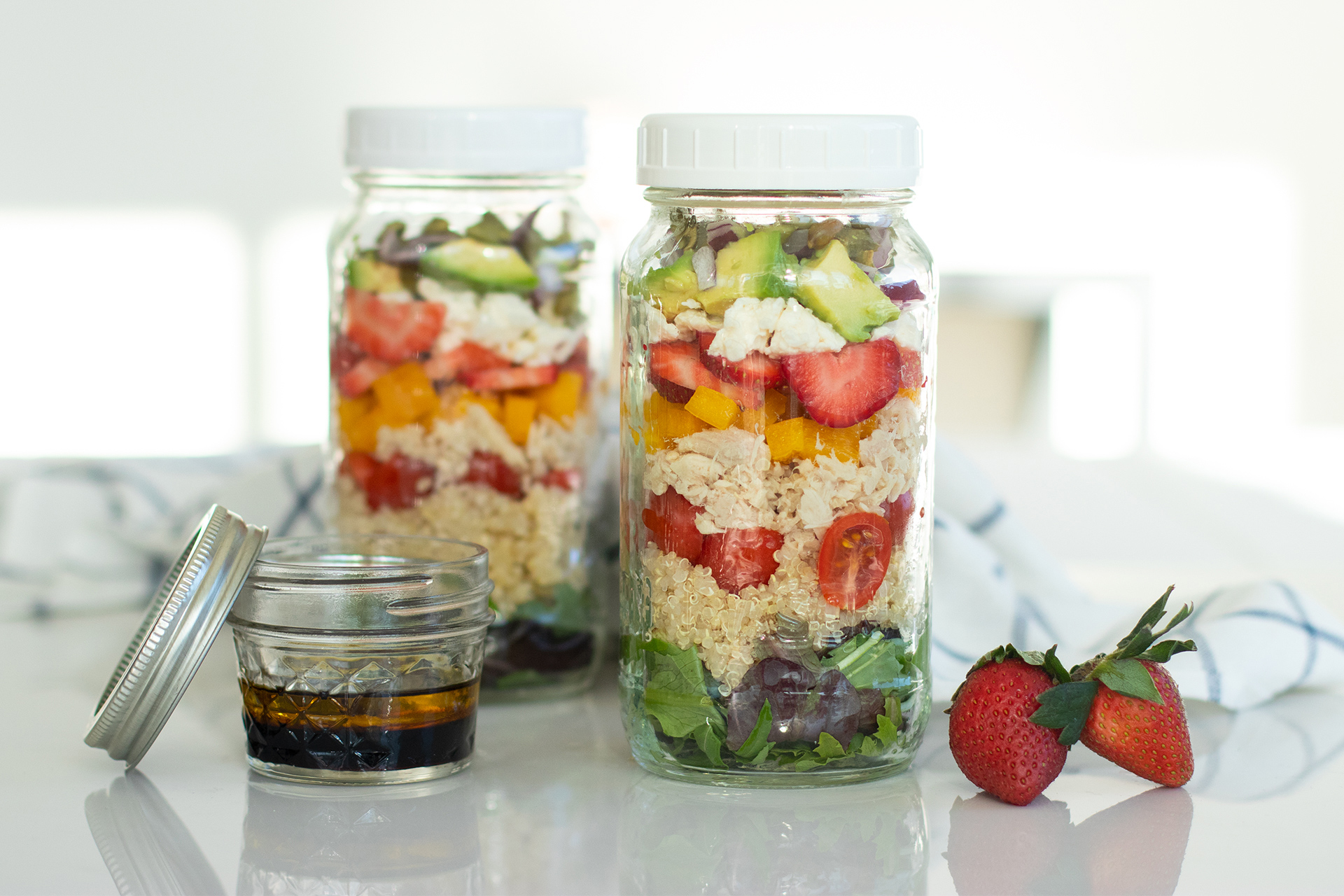
Mason jar salads represent the epitome of meal prep efficiency. These layered nutritional powerhouses solve the common problem of soggy greens while providing perfectly portioned meals that stay fresh for up to five days.
The Science Behind Layer Organization
The secret to successful mason jar salads lies in strategic layering. Start with dressing at the bottom, followed by sturdy vegetables like carrots and cucumbers, then proteins, grains, nuts, and finally delicate greens at the top. This arrangement prevents moisture from reaching the leaves while allowing flavors to meld beautifully.
Healthy meal prep enthusiasts love mason jar salads because they accommodate diverse dietary preferences. Mediterranean versions feature olive oil dressing, chickpeas, olives, and feta cheese. Asian-inspired variations include sesame dressing, edamame, shredded cabbage, and grilled chicken.
For optimal meal prep success, prepare five different flavor combinations each Sunday. Popular options include Southwest (black beans, corn, avocado), Greek (cucumber, tomatoes, feta), and Thai (peanut dressing, vegetables, herbs). Each jar provides complete nutrition while requiring zero morning preparation time.
2. Protein-Packed Overnight Oats: Morning Energy Made Simple
Overnight oats have revolutionized breakfast meal prep by eliminating morning cooking while maximizing nutritional value. These no-cook wonders combine convenience with customizable flavors that never become boring.
Building the Perfect Base
Successful overnight oats require a 1:1 ratio of rolled oats to liquid. Combine oats with milk (dairy or plant-based), Greek yogurt for protein, chia seeds for omega-3 fatty acids, and natural sweeteners like maple syrup or mashed banana.
Healthy meal prep strategies for overnight oats include preparing five different flavors simultaneously. Popular combinations include chocolate peanut butter (cocoa powder, peanut butter, banana), apple cinnamon (grated apple, cinnamon, walnuts), and berry vanilla (mixed berries, vanilla extract, honey).
These prepared meals provide sustained energy throughout morning hours while delivering essential nutrients like fiber, protein, and healthy fats. Store in individual mason jars or containers for grab-and-go convenience that fits any lifestyle.
3. One-Pan Sheet Pan Dinners: Minimal Effort, Maximum Flavor
Sheet pan meals epitomize efficient meal prep by combining proteins, vegetables, and seasonings on a single cooking surface. This method reduces cleanup time while creating perfectly balanced meals that reheat beautifully throughout the week.
Mastering Cooking Times and Temperatures
Successful sheet pan meal prep requires understanding how different ingredients cook. Start with longer-cooking items like potatoes and carrots, add proteins like chicken or fish halfway through, and finish with quick-cooking vegetables like bell peppers and zucchini.
Popular healthy meal prep sheet pan combinations include Mediterranean chicken with vegetables, salmon with asparagus and sweet potatoes, and vegetarian options featuring tofu with seasonal produce. Season everything generously with herbs, spices, and healthy oils for maximum flavor development.
Prepare two different sheet pan meals on Sunday, portioning them into containers for easy weekday reheating. This approach provides four to six servings of healthy prepared meals with minimal active cooking time.
4. Freezer-Friendly Breakfast Burritos: Morning Meals Made Ahead
Breakfast burritos solve the challenge of creating satisfying morning meals that travel well and provide sustained energy. These meal prep champions freeze beautifully and heat quickly in microwaves or ovens.
Assembly Line Efficiency
Create an assembly line with scrambled eggs, cooked proteins, sautéed vegetables, cheese, and large flour tortillas. Fill each tortilla with balanced portions, roll tightly, and wrap individually in foil or plastic wrap before freezing.
Healthy meal prep burrito variations include veggie-packed options with black beans and peppers, meat lovers’ versions with turkey sausage and ham, and international flavors like Greek (spinach, feta, tomatoes) or Mexican (chorizo, peppers, onions).
Store individually wrapped burritos in freezer bags with preparation dates. These prepared meals maintain quality for up to three months while providing convenient breakfast solutions that require only two minutes of reheating.
5. Grain Bowl Foundations: Mix-and-Match Nutrition
Grain bowls offer infinite meal prep possibilities by combining cooked grains, proteins, vegetables, and flavorful sauces. This modular approach prevents meal fatigue while ensuring balanced nutrition throughout busy weeks.
Creating Versatile Components
Prepare large batches of quinoa, brown rice, or farro as grain foundations. Cook several proteins like grilled chicken, baked tofu, or hard-boiled eggs. Roast various vegetables and prepare two or three different sauces or dressings.
Healthy meal prep bowl combinations might include Mediterranean (quinoa, grilled chicken, roasted vegetables, tzatziki), Asian (brown rice, tofu, steamed broccoli, peanut sauce), or Mexican (cilantro-lime rice, black beans, roasted peppers, salsa verde).
Store components separately to maintain freshness and texture. This meal prep strategy allows for creative combinations throughout the week while ensuring each meal feels fresh and exciting.
6. Soup and Stew Batch Cooking: Comfort Food Convenience
Batch cooking soups and stews provides multiple servings of comforting, healthy meal prep options that improve in flavor over time. These one-pot wonders require minimal hands-on preparation while delivering maximum nutritional value.
Freezer Storage Strategies
Prepare large batches of vegetable minestrone, hearty lentil stew, or chicken and vegetable soup. Cool completely before portioning into individual containers or freezer bags. Label with contents and dates for easy identification.
Meal prep soups offer exceptional versatility for dietary restrictions. Vegetarian options like split pea or butternut squash soup provide plant-based protein and fiber. Meat-based varieties like chicken noodle or beef stew deliver satisfying comfort food appeal.
These prepared meals reheat perfectly in microwaves or stovetops, requiring only stirring and temperature adjustment. Serve with crusty bread or side salads for complete, satisfying meals that nourish both body and soul.
7. Protein Muffin Prep: Nutritious Snacks and Light Meals
Protein muffins bridge the gap between snacks and light meals while providing meal prep convenience in portable formats. These nutritious treats satisfy cravings while delivering essential nutrients that support active lifestyles.
Balancing Flavor and Nutrition
Successful protein muffins combine protein powder, whole grain flours, eggs, and natural sweeteners. Add vegetables like zucchini or carrots for moisture and nutrients. Popular flavors include blueberry lemon, chocolate chip banana, and savory options with herbs and cheese.
Healthy meal prep muffin strategies involve preparing two different varieties weekly. Bake large batches, cool completely, and store in airtight containers or freeze individually wrapped portions for longer storage.
These versatile prepared meals work as breakfast options, afternoon snacks, or light dinner accompaniments. Pair with fresh fruit or yogurt for more substantial meals that satisfy hunger without heaviness.
8. Lettuce Wrap Protein Packs: Low-Carb Meal Solutions
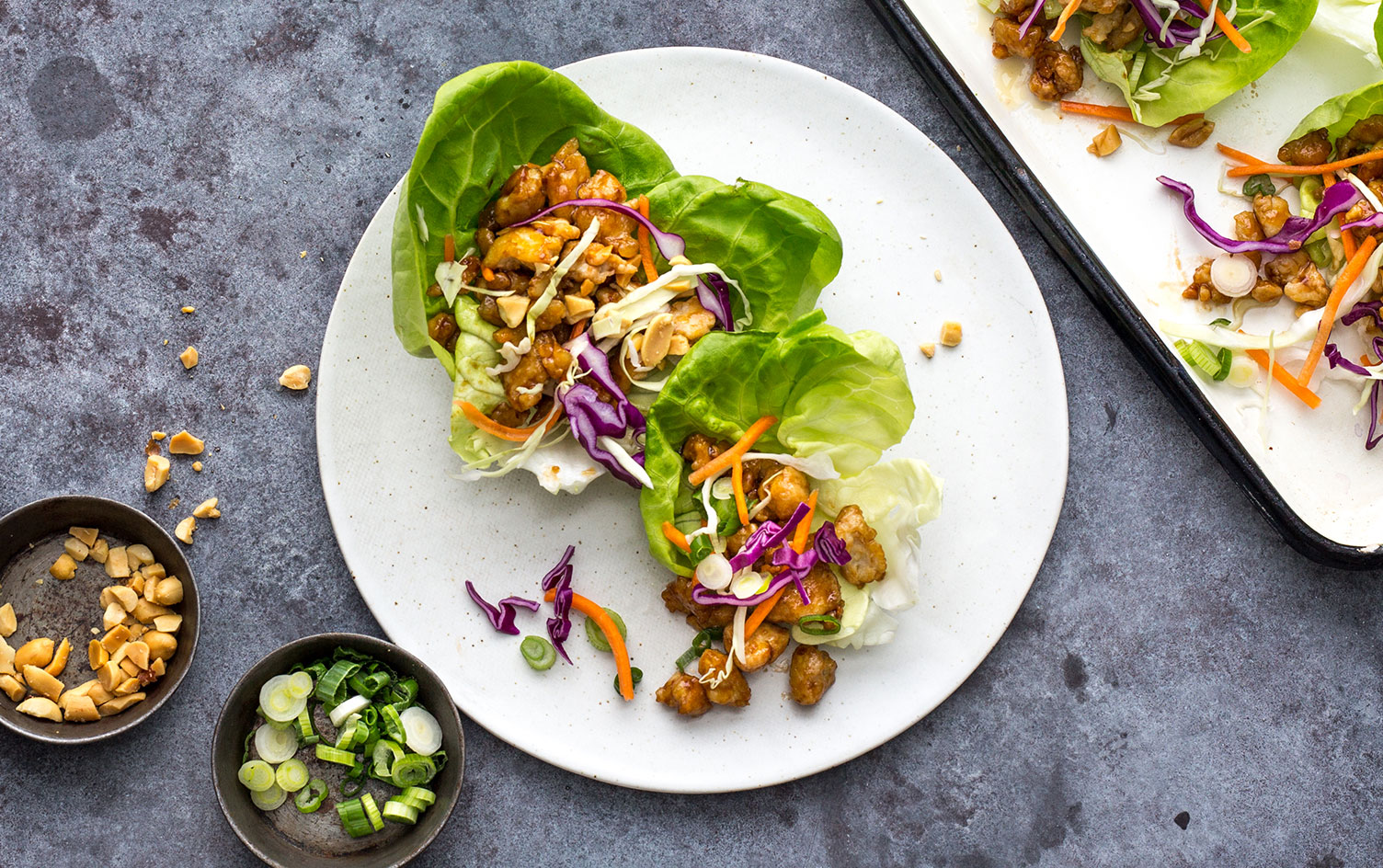
Lettuce wraps provide fresh, crisp alternatives to traditional sandwiches while accommodating low-carb meal prep preferences. These light yet satisfying meals showcase proteins and vegetables in refreshing combinations.
Protein and Vegetable Combinations
Prepare seasoned ground turkey, chicken salad, or Asian-inspired pork for protein bases. Store separately from butter lettuce cups, julienned vegetables, and flavor-enhancing sauces to maintain optimal texture and freshness.
Meal prep lettuce wrap variations include Thai-inspired chicken with peanut sauce, Mediterranean tuna salad with olives and tomatoes, and Korean-style beef with pickled vegetables. Each combination offers unique flavor profiles while maintaining nutritional balance.
Store components in separate containers, assembling wraps just before eating to prevent wilting. These healthy prepared meals provide light yet satisfying options that refresh palates during busy weeks.
9. Energy Ball Collections: Healthy Snack Stockpiles
Energy balls offer concentrated nutrition in bite-sized formats perfect for meal prep snacking strategies. These no-bake treats combine nuts, seeds, dried fruits, and natural sweeteners for sustained energy between meals.
Flavor Variety Strategies
Create multiple flavor profiles using base ingredients like dates, nuts, and coconut. Popular combinations include chocolate peanut butter (cocoa powder, peanut butter, oats), tropical (coconut, dried pineapple, cashews), and spiced chai (dates, almonds, warming spices).
Healthy meal prep energy balls store well in refrigerators for up to two weeks or freeze for longer storage. Prepare three different varieties monthly, rotating flavors to prevent boredom while maintaining nutritional consistency.
These portable prepared meals provide quick energy boosts during busy afternoons while delivering healthy fats, protein, and natural sugars that support sustained energy levels throughout demanding days.
10. Smoothie Pack Freezer Prep: Instant Nutrition Blends
Smoothie packs revolutionize morning routines by pre-portioning frozen fruits, vegetables, and protein additions for instant blending. This meal prep approach ensures consistent nutrition while minimizing morning preparation time.
Optimal Ingredient Combinations
Prepare freezer bags with balanced combinations of fruits, leafy greens, protein powder, and flavor enhancers. Popular combinations include green goddess (spinach, pineapple, banana, protein powder), berry antioxidant (mixed berries, Greek yogurt powder, chia seeds), and tropical paradise (mango, coconut, lime, spinach).
Healthy meal prep smoothie strategies involve preparing 10-15 individual packs monthly. Label each bag with ingredients and liquid requirements for foolproof preparation. Store flat in freezers for space-efficient organization.
These prepared meals require only liquid addition and blending, creating nutritious breakfast or snack options in under two minutes. Customize liquid choices based on dietary preferences and desired consistency.
Essential Tips for Meal Prep Success
Successful meal prep requires strategic planning, proper storage, and realistic expectations. Start small with two or three healthy meal prep ideas before expanding your repertoire. Invest in quality glass containers that stack efficiently and reheat safely.
Weekly meal prep sessions work best when planned around personal schedules and preferences. Choose one or two days for preparation, focusing on recipes that align with your cooking skills and available time. Remember that meal prep for busy weeks should simplify your life, not create additional stress.
Food safety remains paramount in meal prep practices. Cool foods completely before refrigerating, label everything with preparation dates, and follow safe storage guidelines. Most prepared meals maintain quality for three to five days in refrigerators or several months when properly frozen.
Read More: Premium Lifestyle Management Services – Transform Your Life Today
Conclusion
Implementing these ten healthy meal prep ideas can revolutionize how you approach nutrition during demanding weeks. From portable mason jar salads to convenient smoothie packs, each strategy offers unique benefits while supporting your health and lifestyle goals.
Remember that successful meal prep evolves with your needs and preferences. Start with one or two ideas that resonate most strongly, gradually incorporating additional strategies as they become habitual. The key lies in consistency rather than perfection, allowing these healthy meal prep practices to naturally integrate into your routine.
Weekly meal prep represents an investment in your future self – providing better nutrition, reduced stress, and more time for activities you enjoy. As you develop confidence with these techniques, you’ll discover endless opportunities to customize recipes and create prepared meals that truly satisfy your unique tastes and nutritional requirements.
FAQs
1. How long do meal prep foods stay fresh in the refrigerator?
Most meal prep foods remain safe and maintain quality for 3-5 days when stored properly in airtight containers at 40°F or below. Healthy prepared meals like salads, grain bowls, and cooked proteins follow this timeline, while foods with higher dairy content may have shorter storage periods. Always check for signs of spoilage and trust your senses when evaluating food safety.
2. Can I freeze all types of meal prep foods?
Not all meal prep ideas freeze equally well. Soups, stews, casseroles, breakfast burritos, and cooked grains freeze excellently for up to 3 months. However, foods with high water content like lettuce wraps or fresh salads don’t freeze successfully. Healthy meal prep strategies should consider which components freeze well versus those best consumed fresh.
3. What containers work best for meal prep storage?
Glass containers with tight-fitting lids offer the best meal prep storage solutions. They’re microwave-safe, don’t absorb odors or stains, and allow easy visibility of contents. BPA-free plastic containers work well for freezer storage, while mason jars excel for salads and overnight oats. Invest in various sizes to accommodate different prepared meals efficiently.
4. How do I prevent meal prep boredom?
Combat meal prep monotony by rotating proteins, seasonings, and cooking methods weekly. Prepare components separately to create different combinations throughout the week. Focus on mastering 2-3 healthy meal prep ideas before expanding your repertoire. International flavor profiles and seasonal ingredients help maintain interest in weekly meal prep routines.
5. Is meal prep cost-effective compared to buying individual meals?
Meal prep significantly reduces food costs compared to restaurant meals or pre-packaged convenience foods. Buying ingredients in bulk, utilizing seasonal produce, and minimizing food waste create substantial savings. Healthy meal prep typically costs 50-70% less than equivalent restaurant meals while providing superior nutritional control and ingredient quality. Track your expenses for accurate personal comparisons.